
Ita Bag Blog
Ita Bag Insert Materials: Foam vs Canvas vs Fabric
Ita Bag Insert Materials: Foam vs Canvas vs Fabric Compared
The best ita bag insert material depends on what you are displaying, how heavy the layout is, and how often you rearrange it. A soft foam insert is easy to use, but it is not ideal for every build.
Canvas-covered inserts look polished, but the fabric alone is not enough without the right core. And not all "fabric inserts" are built the same way. If you want a display that looks clean and lasts, you need to think about insert material as both a surface and a structure.
The best ita bag insert material depends on what you are displaying, how heavy the layout is, and how often you rearrange it. A soft foam insert is easy to use, but it is not ideal for every build. Canvas-covered inserts look polished, but the fabric alone is not enough without the right core. And not all "fabric inserts" are built the same way. If you want a display that looks clean and lasts, you need to think about insert material as both a surface and a structure.
The Short Version
The insert material is the single most important decision after choosing the bag itself. It determines how firmly your pins stay upright, how easy it is to rearrange your display, and how long the insert will last. Here is a direct comparison of the three main options: foam, plastic canvas, and fabric-backed board.
Foam Board
Standard craft foam (EVA foam, 3–6mm thick) is the most commonly included insert in budget ita bags and the easiest to source from craft stores. Pins push in and pull out with light pressure — no tools needed. It is lightweight and easy to cut to size with scissors.
Pros: Lightweight, cheap, easy to cut, pins insert easily, widely available.
Cons: Compresses over time in high-density pin areas, leaving visible holes. Soft foam can let heavy or large pins tilt forward rather than staying upright. A single layer of 3mm foam in a large bag window will bow outward under pin weight. Needs to be replaced every 6–12 months for active use.
Best for: Small bags (under 25cm window), light collections (under 30 pins), beginners who want to start cheaply. Stack two layers of 5mm foam if you need more rigidity in a larger bag.
Popular Right Now
Free US shipping — 500+ styles, inserts, and accessories in stock.
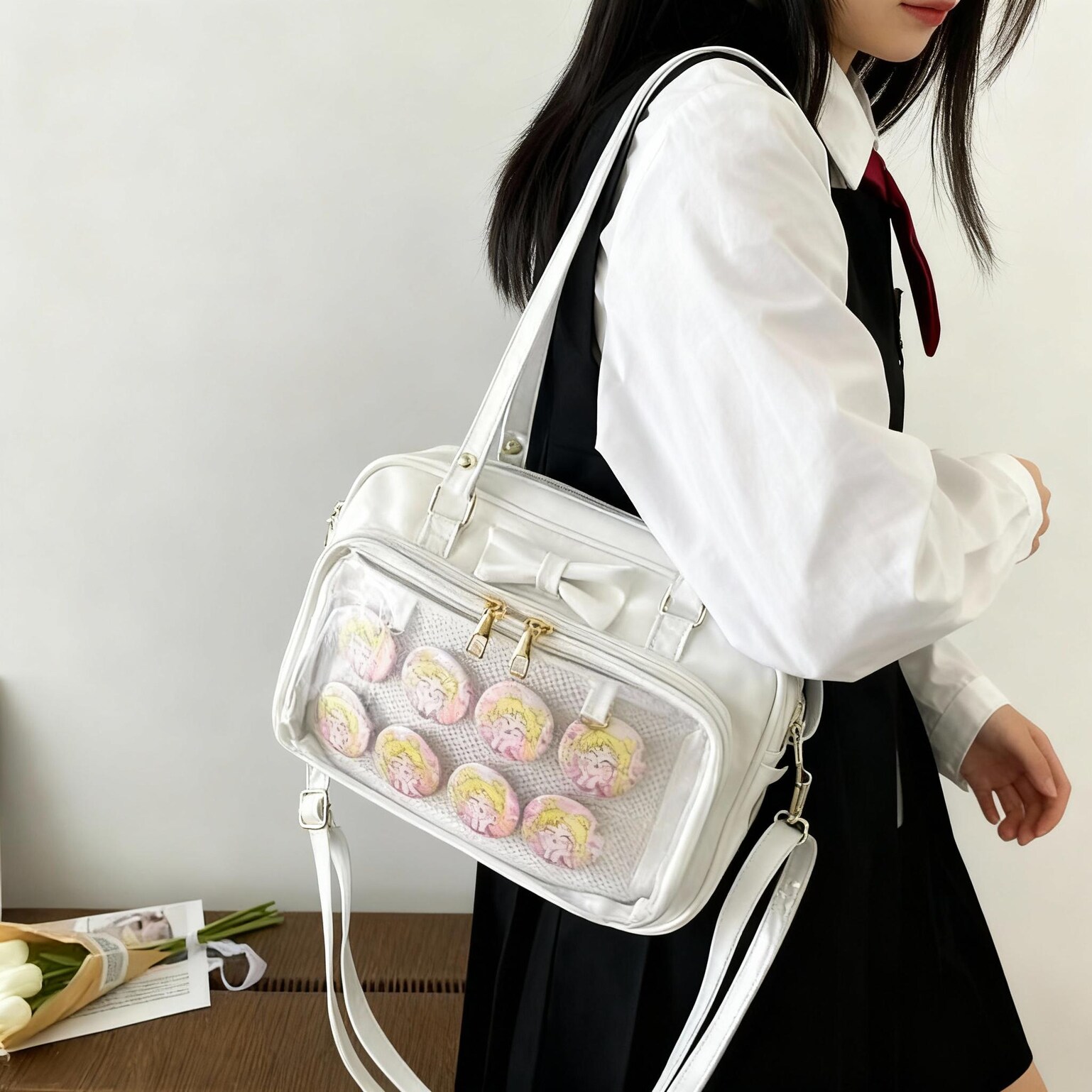
Plastic Canvas
Plastic canvas is a rigid grid mesh sold in sheets at craft stores — it is the plastic version of needlepoint canvas. Pin posts slip into the grid holes cleanly, and the rigid structure holds pins exactly where you place them with no tilting. Unlike foam, it does not compress or deform over time.
Pros: Rigid and durable, does not compress, pin positions are exact and repeatable (you can recreate the same layout after removing the insert), no holes left in the material. Lasts indefinitely with normal use.
Cons: Slightly heavier than foam. The grid holes are a fixed size — very thin pin posts (on cheaper enamel pins) may not grip firmly. The open grid look can show through the display if you have a sparse pin layout — the grid itself becomes visible behind the pins.
Best for: Collectors who rearrange their display frequently, large bags where foam would bow, anyone wanting long-term durability. The most recommended material in the ita bag community for serious collectors.
Fabric-Backed Board
A fabric-backed insert is foam core board or plastic canvas wrapped in felt, velvet, or cotton fabric. The fabric surface holds pin posts at any angle via friction, creates a clean background visible behind sparse pin layouts, and looks polished without a full pin covering.
Pros: Clean appearance even with fewer pins, background fabric becomes a design element (match to fandom colour), no visible grid or compression holes, velvet in particular grips pins firmly at any angle.
Cons: Fabric can snag on pin backs, accumulates lint and dust, more difficult to cut to size yourself. Pre-made fabric inserts from Etsy tend to be sized for popular bag models — check dimensions before ordering.
Best for: Smaller curated displays (10–20 items), aesthetic displays where the background colour matters, collectors who want a polished unboxing or social media-ready look.
Layered Approach
Many experienced collectors combine materials: a rigid plastic canvas base for structure, a thin layer of foam on top for grip, and an optional fabric cover for aesthetics. The extra thickness is rarely a problem — window pockets are designed to accommodate standard-depth inserts and a bit more.
FAQ
- What thickness should my foam insert be?
- 3mm is the minimum for light displays. 5mm is the standard for a good grip. For large bags or heavy pin collections, use 8mm or double-layer 5mm. Anything thicker than 10mm may not fit into the window pocket.
- Where do I buy plastic canvas?
- Craft stores (Hobby Lobby, Michaels, Spotlight) carry it in the needlework or yarn section. Online: Amazon, Etsy, AliExpress. It comes in standard 33×45cm sheets which fit most ita bag windows with cutting.
- Can I use cardboard as an insert?
- Yes — foam core board (foam sandwiched between card layers) works well as a rigid insert. Plain cardboard is less ideal: it bows when pins are pushed in, absorbs moisture, and does not hold pins upright as firmly. Use foam core rather than plain cardboard.
- My pins tilt sideways on my insert — what is wrong?
- The insert is too soft or too thin. Add a second layer of foam, switch to plastic canvas, or use pin keepers (locking pin backs) to prevent the pin from rotating on the post.
Shop Ita Bags
Browse the ita bag collection — all bags include window and insert pocket dimensions in the product description. The insert size guide covers dimension tables for each bag type.
What an Insert Material Needs to Do
A good insert material must: If a material looks good but bends easily, it will not hold up. If it is very rigid but ugly or hard to pin through, it may still be the wrong choice for a daily-use setup.
- hold pins securely
- stay flat in the window
- resist sagging over time
- look clean through the clear panel
- survive repeated layout changes
Foam Inserts
Foam is the most common insert base for a reason. It is easy to use and beginner-friendly.
- Pins go in easily.
- It is lightweight.
- It is easy to cut at home.
- It works for standard badges and enamel pins.
- Soft foam can sag under heavier merch.
- Cheap foam compresses over time.
- Repeated repositioning can leave the surface full of holes.
If your display is mostly enamel pins and button badges, foam is usually the best starting point.
- beginner setups
- pin-heavy displays
- medium-weight layouts
- collectors who want easy rearranging
Canvas
Canvas is often mentioned in DIY discussions, but canvas alone is not a full insert solution. It is a surface fabric, not a structural backing.
- looks cleaner than bare foam
- adds texture
- can make the display feel more premium
- works well with neutral or themed color palettes
- on its own, it does not support pin backs
- thicker canvas can be hard to work with if stretched badly
- it still needs a backing material underneath
Felt and Other Soft Fabrics
When people say "fabric insert," they often mean felt-covered foam or another soft textile stretched over a backing panel.
- looks soft and polished
- hides the base material
- comes in many colors
- gives merch a clean visual background
- low-quality felt can pill
- frequent rearranging makes holes more visible
- some fabrics snag more easily than others
- showcase builds
- aesthetic color-matched setups
- collectors who do not rebuild the layout every few days
Plastic Canvas or Mesh Core
This is the strongest option in the group and is often the best answer for heavier builds.
- holds its shape well
- better for heavy acrylic charms and layered merch
- can be covered in fabric for a cleaner look
- useful when you need more rigidity than foam can provide
- harder to cut and finish
- less forgiving for beginners
- can look rough if left uncovered
- heavy merch
- large windows
- advanced collectors
- builds that need long-term stability
Foam vs Canvas vs Fabric: What Actually Wins?
Best choice
Foam
Fabric-covered foam
Plastic canvas with fabric cover
Canvas over supportive core
Medium-firm foam or rigid core
Which Material Is Best for Different Merch?
Foam or fabric-covered foam.
Foam can work for light items, but heavier acrylic pieces usually do better on a firmer base.
Fabric-covered inserts look better because they create a cleaner background behind sleeves or pockets.
Use a structured backing that does not sag, especially if you are adding mini pins or charms around the plush.
DIY Material Combinations That Work
If you are making your own insert, these combinations are the safest bets:
This is the easiest and most common DIY setup.
This is better for heavier displays or larger windows.
Useful when you want a flatter, firmer insert, but be careful because some foam board types do not handle repeated pinning well. If you need the full build process, use How to Make an Ita Bag Insert.
Common Material Mistakes
Pretty fabric is not enough if the structure underneath bends.
Very soft foam feels easy to pin into, but it often fails once the display gets heavy.
A material that works in a mini bag may sag in a larger backpack window.
Some collectors choose the insert only by color theme and forget that weight support matters more.
Best Material by Experience Level
Start with medium-firm foam or fabric-covered foam.
Try a higher-quality fabric cover or a firmer structured base if you rotate layouts often.
Use a rigid core with a custom fabric wrap for the exact balance of support and aesthetics you want.
How to Decide Before You Buy or DIY
Ask these four questions: If the setup is mostly pins and you want simplicity, start with foam. If the setup is heavy or long-term, go firmer. If the look matters most, use fabric over the right base instead of choosing appearance alone.
- Is the build mostly pins, cards, or heavy acrylics?
- How often will I change the layout?
- Do I need the insert to look polished up close?
- Is the display window small, medium, or large?
Frequently Asked Questions
Not by itself. Canvas is usually a finish layer, while foam is the structural base.
Medium-firm foam is still the easiest and most practical choice.
A firmer base such as plastic canvas with a fabric cover is usually better.
Yes, especially as a cover over foam or another supportive core.
Fabric-covered foam or a rigid core wrapped in a clean, tightly finished fabric.
Live Bags That Use Insert-Ready Windows
The live store catalog is still bag-heavy rather than insert-heavy, so use these products as real reference points while you choose the right insert material for your own setup.
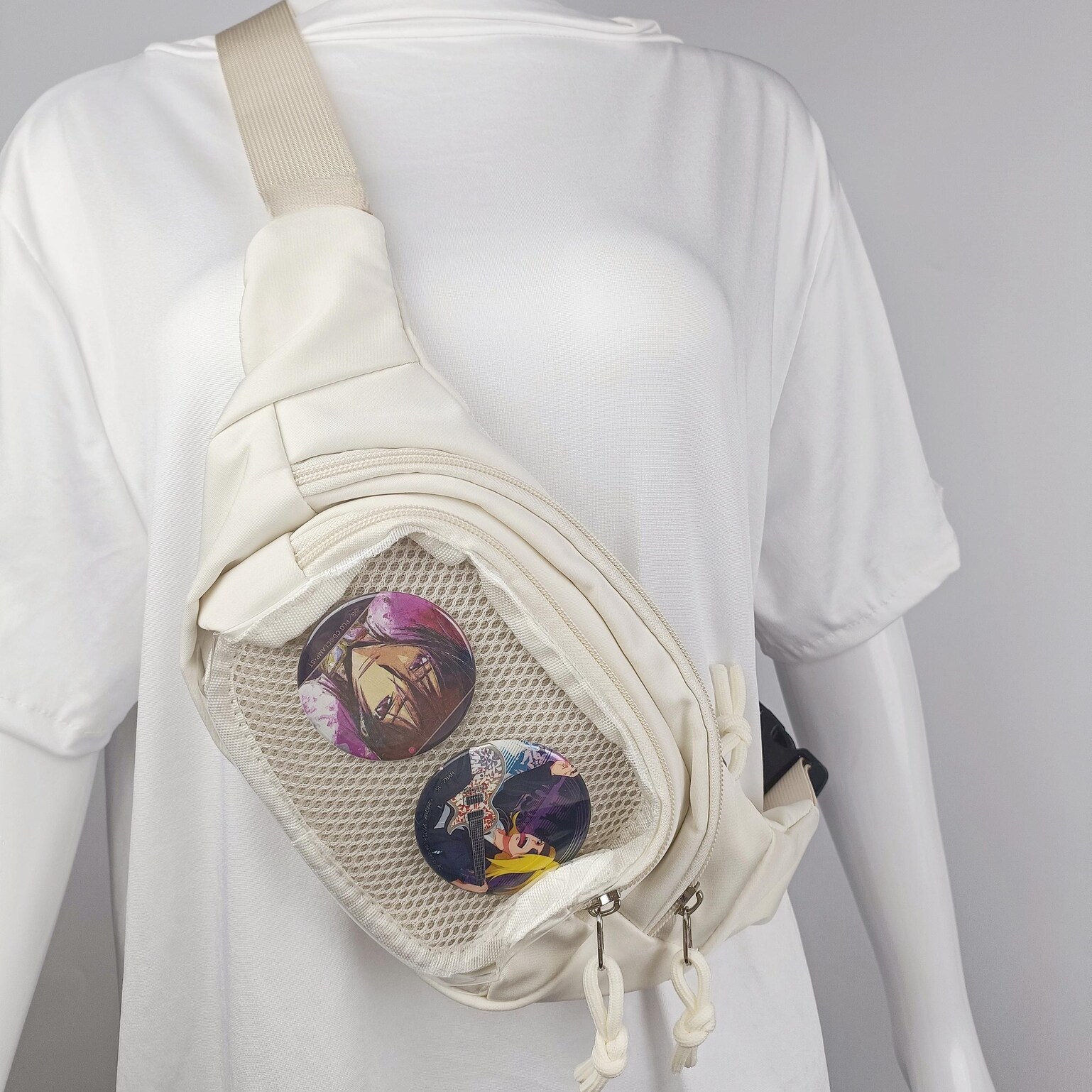
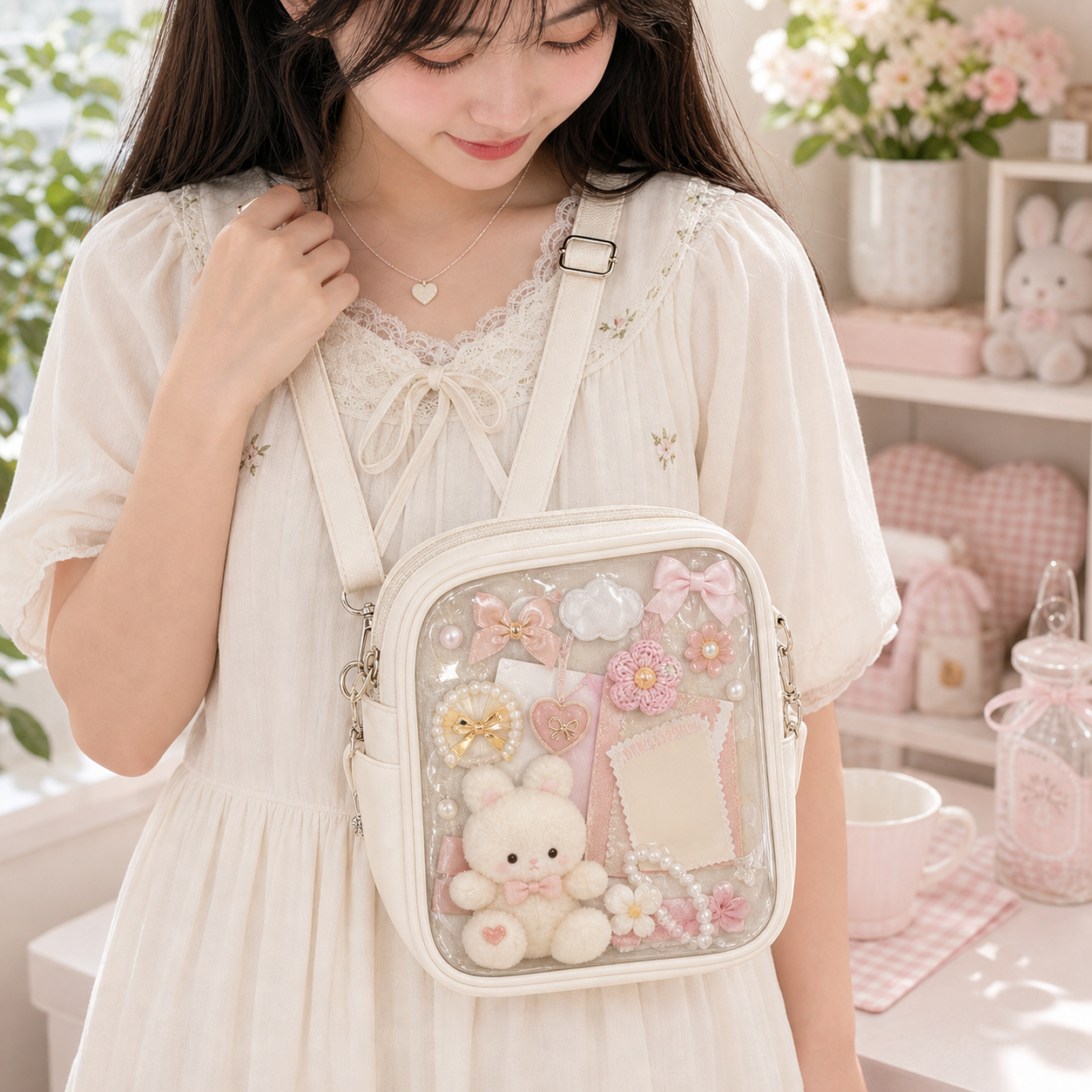
Mini Ita Crossbody Bag with Clear Window and Included Insert for Plushies and Pins
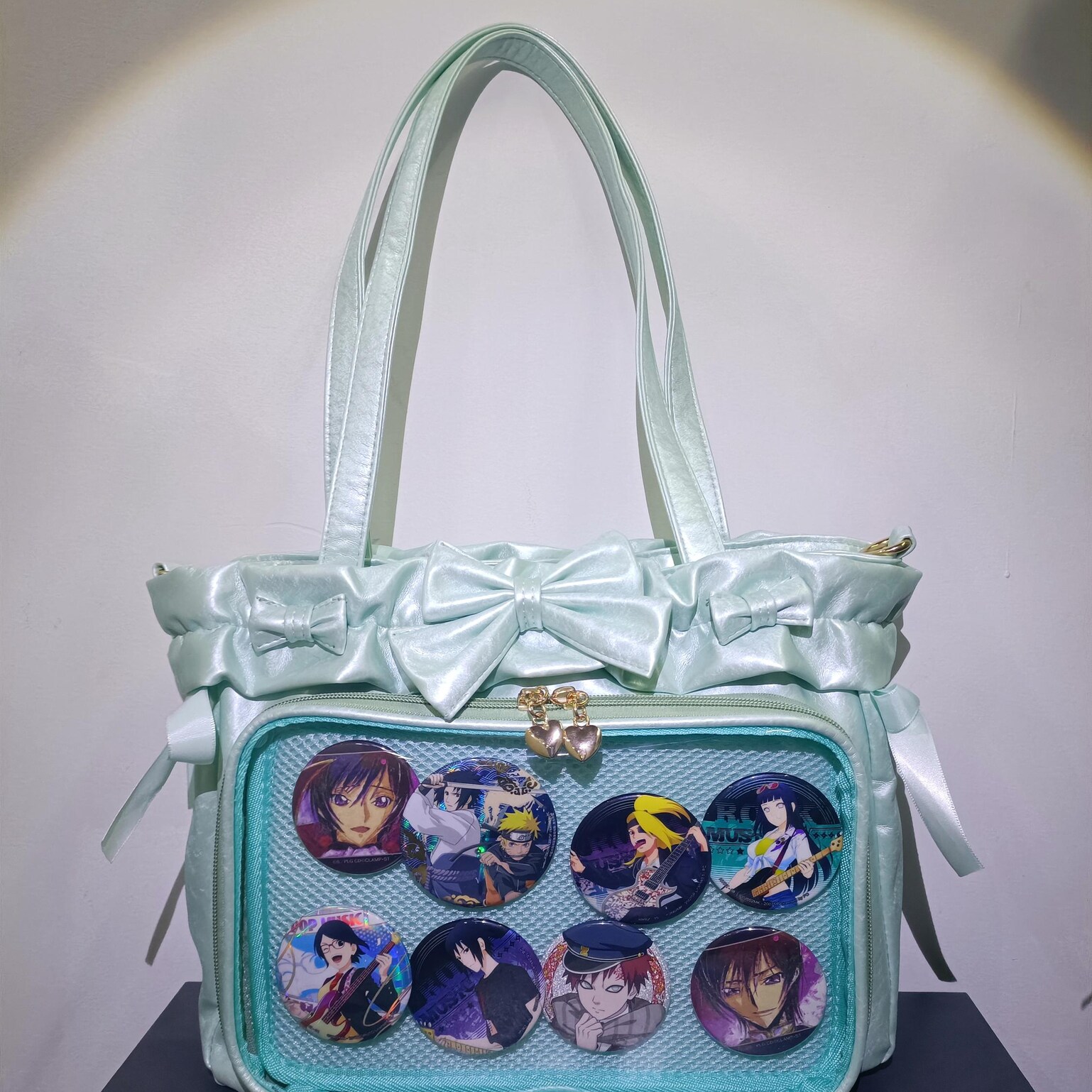
Green Ribbon Ita Crossbody Bag with Clear Window and Included Insert for Pin Display
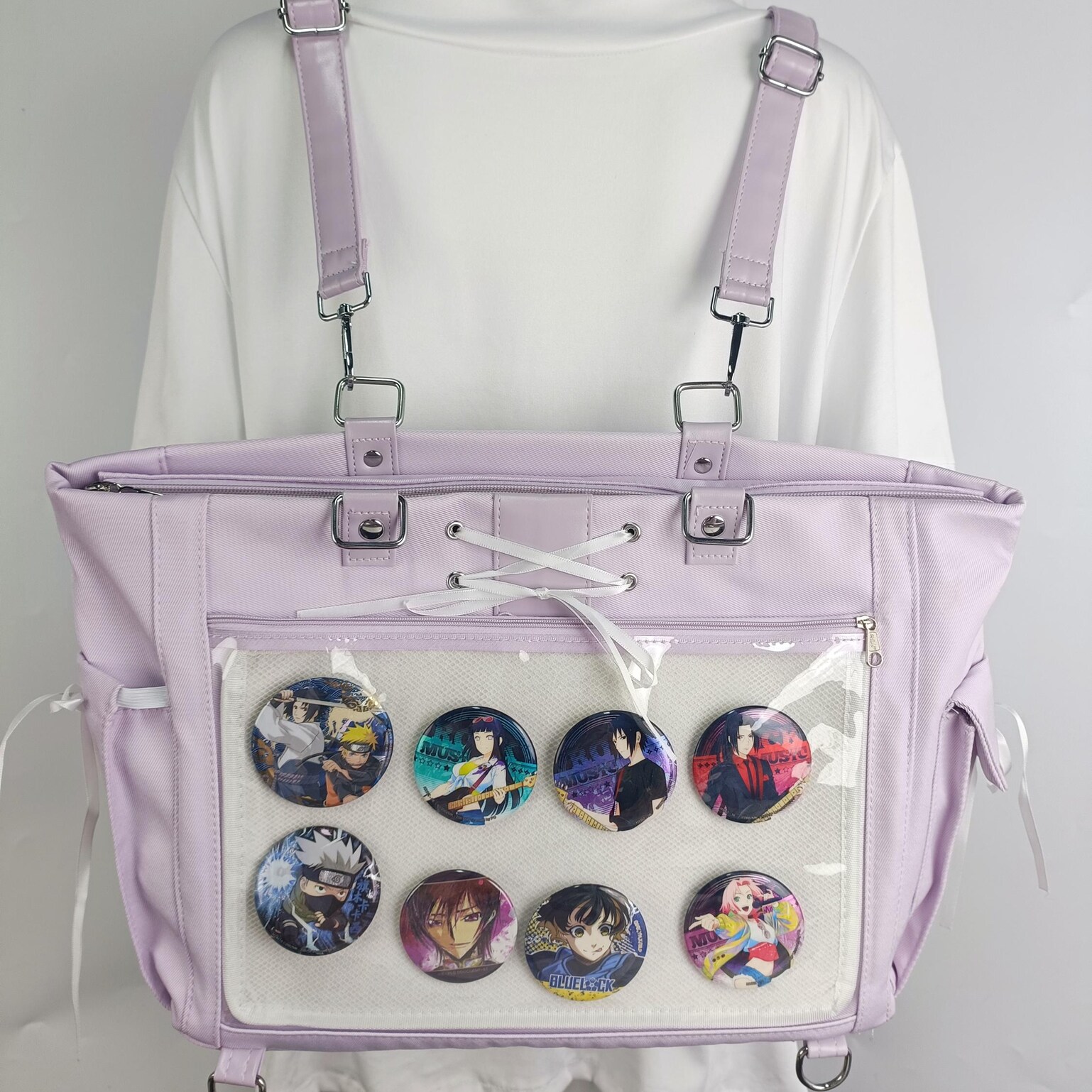
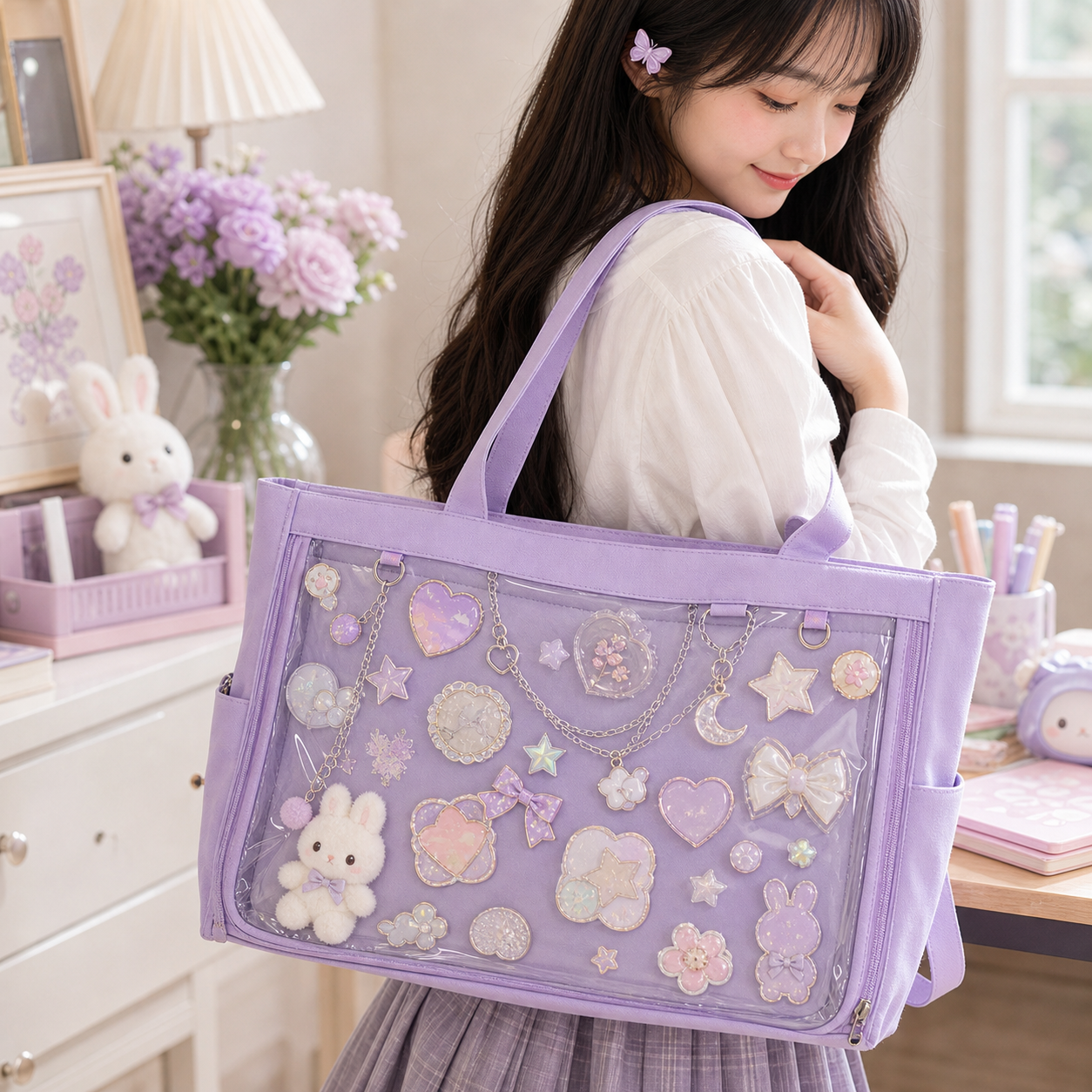
Ribbon Ita Backpack with Clear Window and Included Insert for Plushies and Pins
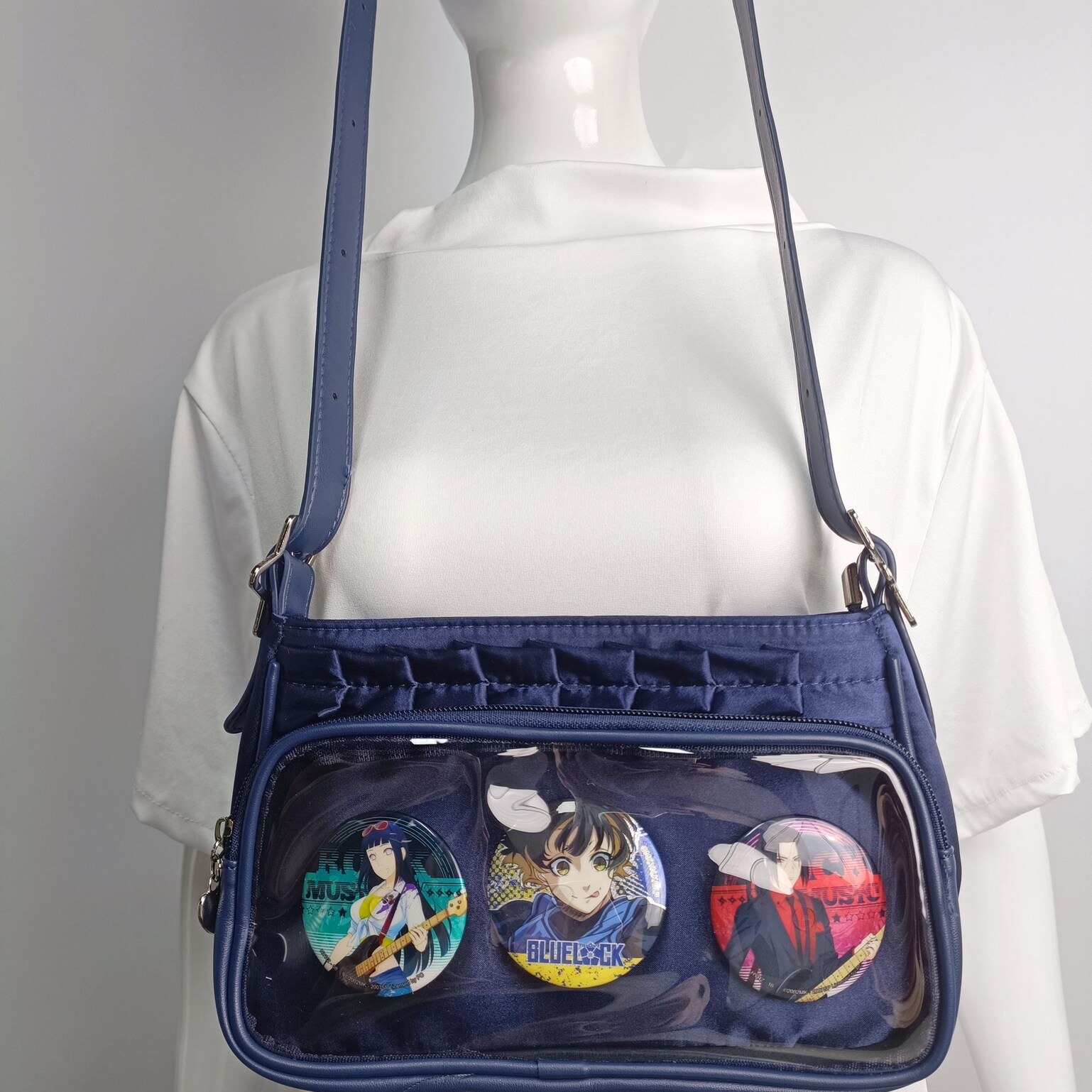
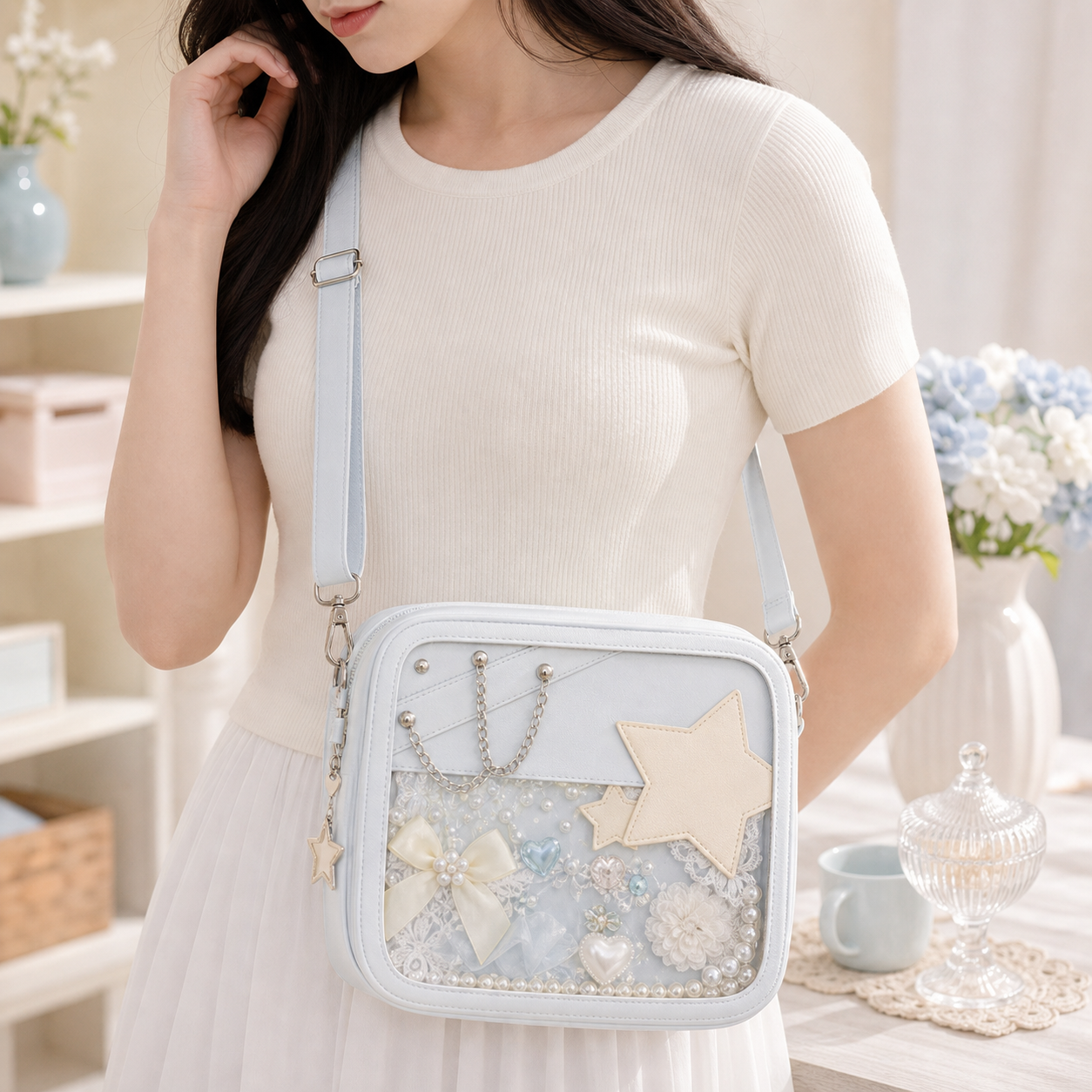
Blue Ita Crossbody Bag with Clear Window and Included Insert for Pin Display
Continue Exploring
Each audited page now carries direct internal links into the wider YourItBag guide and collection network.
More on Ita Bag Insert Materials
Here is more specific guidance on ita bag insert materials to complement the information above.
- For ita bag sizing information, including window dimensions and what fits at each size, see the ita bag size guide.
- For insert board sizing and cutting instructions, the insert size guide has exact measurements for every standard window format.
- New to ita bags? The beginner’s introduction covers the basics of what an ita bag is, how to choose one, and how to set up your first display.
Shop Ita Bags
YourItBag carries over 500 ita bag styles across every size and carry type.
Shop Popular Ita Bags
Explore our top picks — clear-window bags ready to ship.
Build the next click naturally
Every audited page now ends with a live merch path and a guide path so the content can support both ranking intent and shopping intent.
