
Ita Bag Blog
What Is an Ita Bag? Meaning, Definition, and Tech Ita Bag Guide
What Is an Ita Bag? Everything You Need to Know
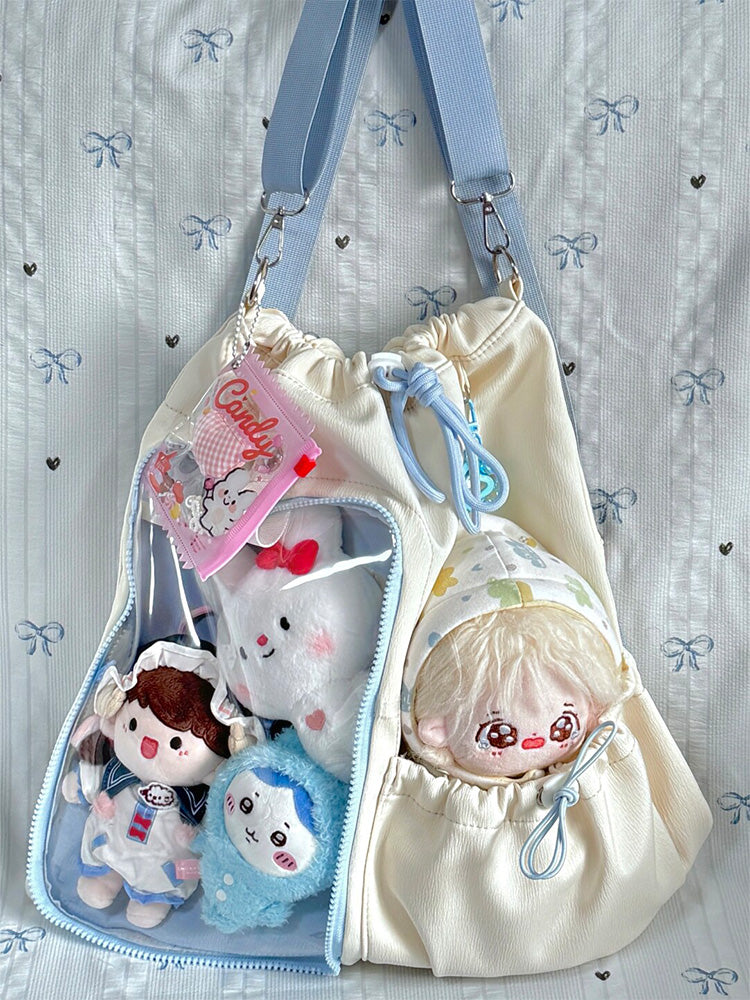
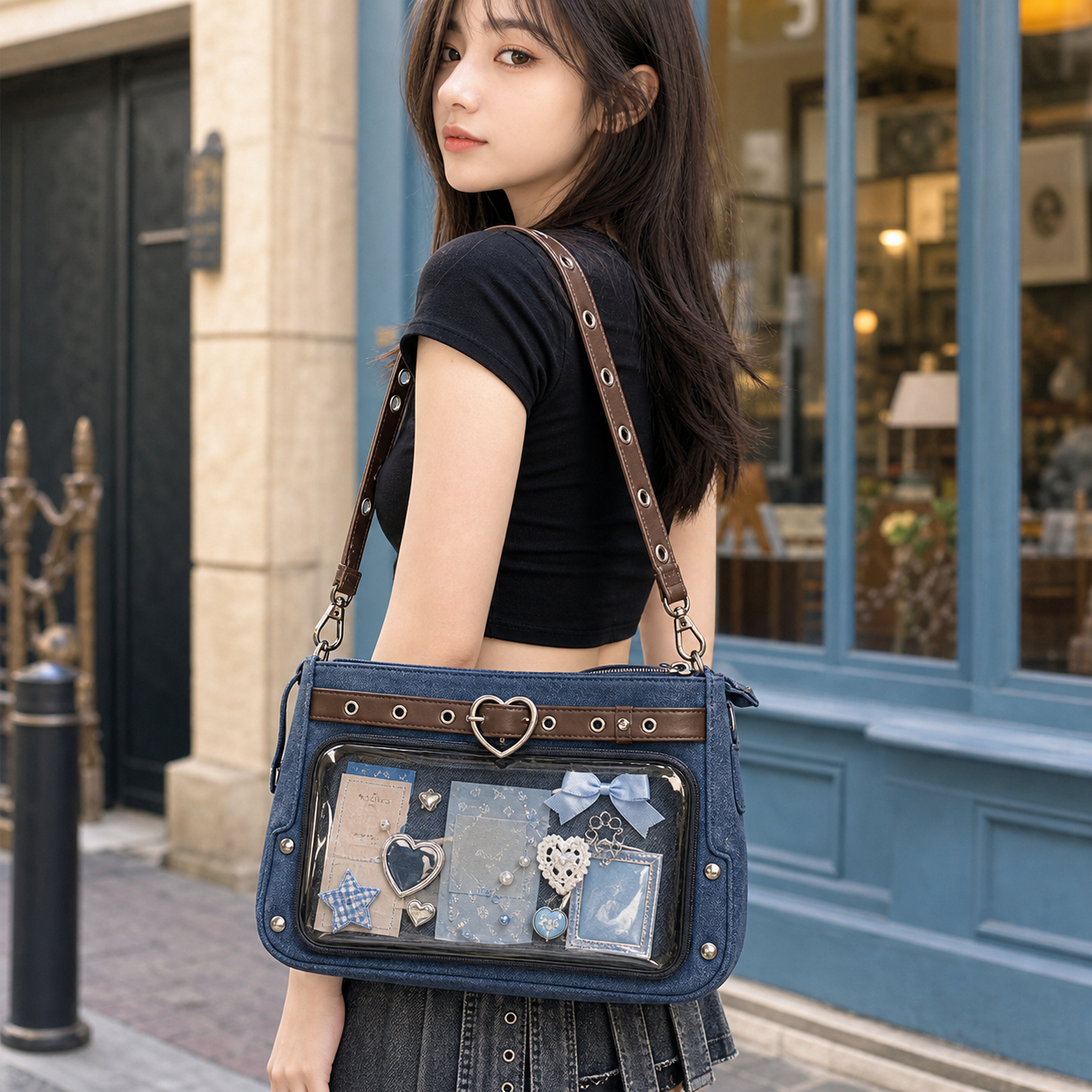
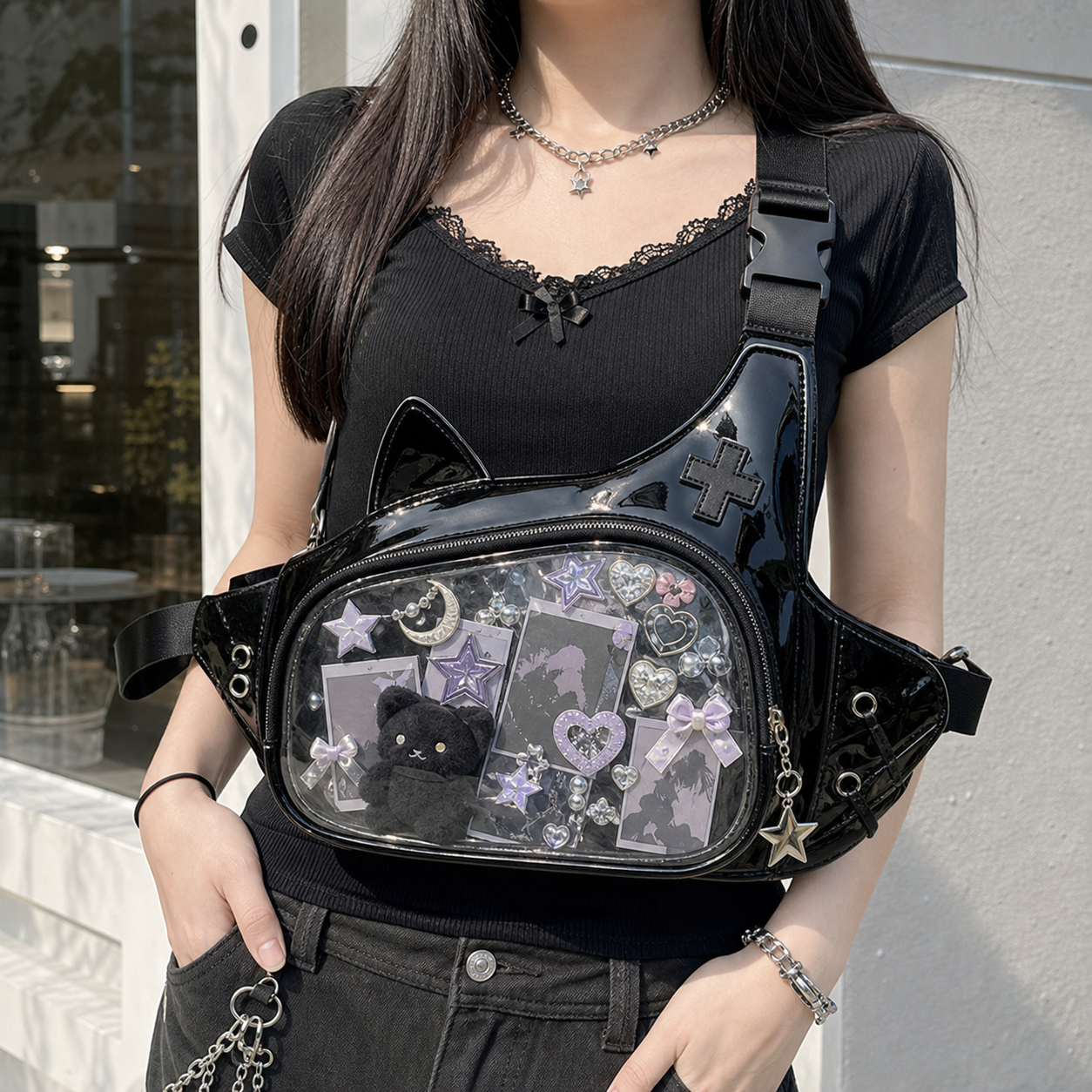
An ita bag is a bag with a clear display window on the front, designed to show off enamel pins, acrylic charms, plushies, photocards, and other fandom merchandise. The window – usually made from clear PVC or acrylic – lets your collection be visible at all times, so you can carry your fandom with you and share it with the world.
An ita bag is a bag with a clear display window on the front, designed to show off enamel pins, acrylic charms, plushies, photocards, and other fandom merchandise. The window – usually made from clear PVC or acrylic – lets your collection be visible at all times, so you can carry your fandom with you and share it with the world.
The Origin of Ita Bags
The term "ita bag" (痛バッグ, itabaggu) comes from Japanese. The word "ita" (痛) means "painful" – as in the kind of painful, over-the-top devotion to a character or idol that makes onlookers wince at the intensity of it.
The same word appears in "itasha" (痛車) – a car completely decorated in anime character decals. Ita bags originated in Japan's otaku culture, particularly among female fans in Ikebukuro (the Sunshine City shopping area is famous for anime goods stores) and Akihabara.
The practice started as a way to visibly display love for a specific character – especially a 2D character or idol – using the bag as a canvas. From Japan, the trend spread globally through cosplay communities, Tumblr and Twitter fan culture, and eventually Pinterest and TikTok.
Today, ita bags are used by anime fans, K-pop fans, gaming enthusiasts, kawaii fashion collectors, and anyone who wants to externalize their fandom in a wearable format.
What Goes Inside an Ita Bag?
The display window is designed for fandom merchandise. Common items include: Enamel and acrylic pins – the classic ita bag item.
Standard enamel pins (can badges, button pins, cloisonné pins) have a pin back that pushes into the insert. Available in 25mm, 38mm, 58mm (most common), and larger sizes.
Acrylic stands (standees) – small printed character standees on clear plastic bases. Popular as a focal piece in the window.
Require a different attachment method than pins – see how to put acrylic stands in an ita bag . Keychains and charms – acrylic charms, rubber keychains (gachapon style), and other small hanging accessories.
Attached to pins inside the window or to D-rings on the bag exterior. See how to put keychains in an ita bag .
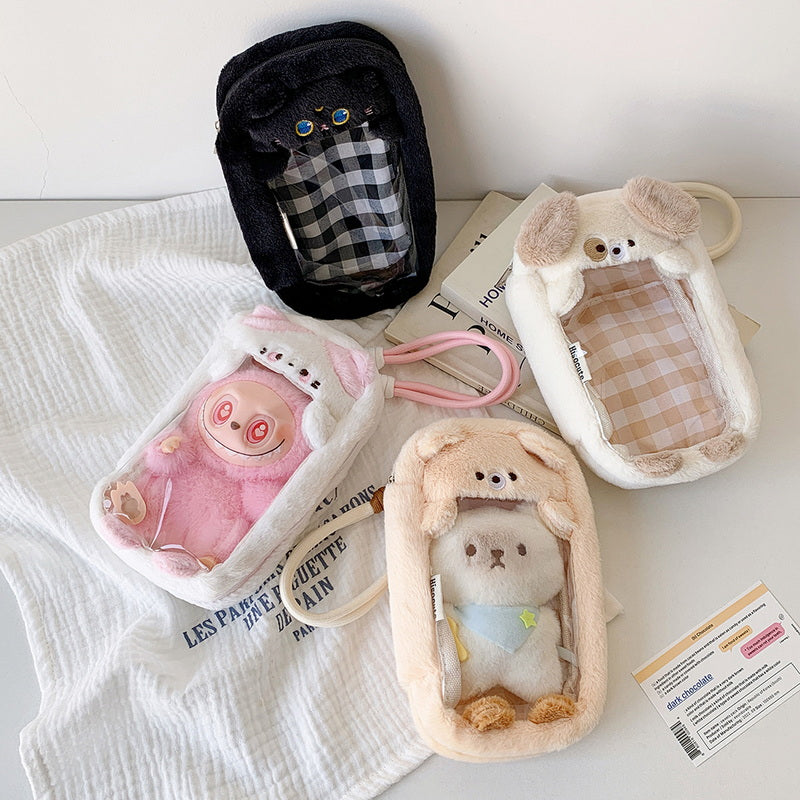
Plushies and stuffed animals – in larger ita bags with deeper windows. Nui (small plush mascots), chibi plushies, and 15-20cm soft toys work well in bags sized for them.
Photocards – K-pop photocards, trading cards, and printed cards. Display flat on the insert using a sleeve or pocket, or stand upright with a miniature acrylic stand.
Badges and rosettes – decorative badges and ribbon rosettes used to frame or accent the display. Common in cosplay and competition ita bag setups.
Types of Ita Bags
Ita bags come in many forms – the clear window can be applied to almost any bag type: Ita backpack – the most popular and practical style. Large display window on the front panel, functional main compartment behind.
Good for conventions, school, and daily use. Crossbody ita bag – compact and worn across the body.
Window sized for 10-20 pins. Popular for concerts, casual outings, and smaller collections.
Ita shoulder bag / tote – carried over one shoulder. Medium to large window.
Less structured than a backpack. Mini ita bag / ita wallet – very small format, sometimes used as a standalone mini bag or clipped onto a larger bag.
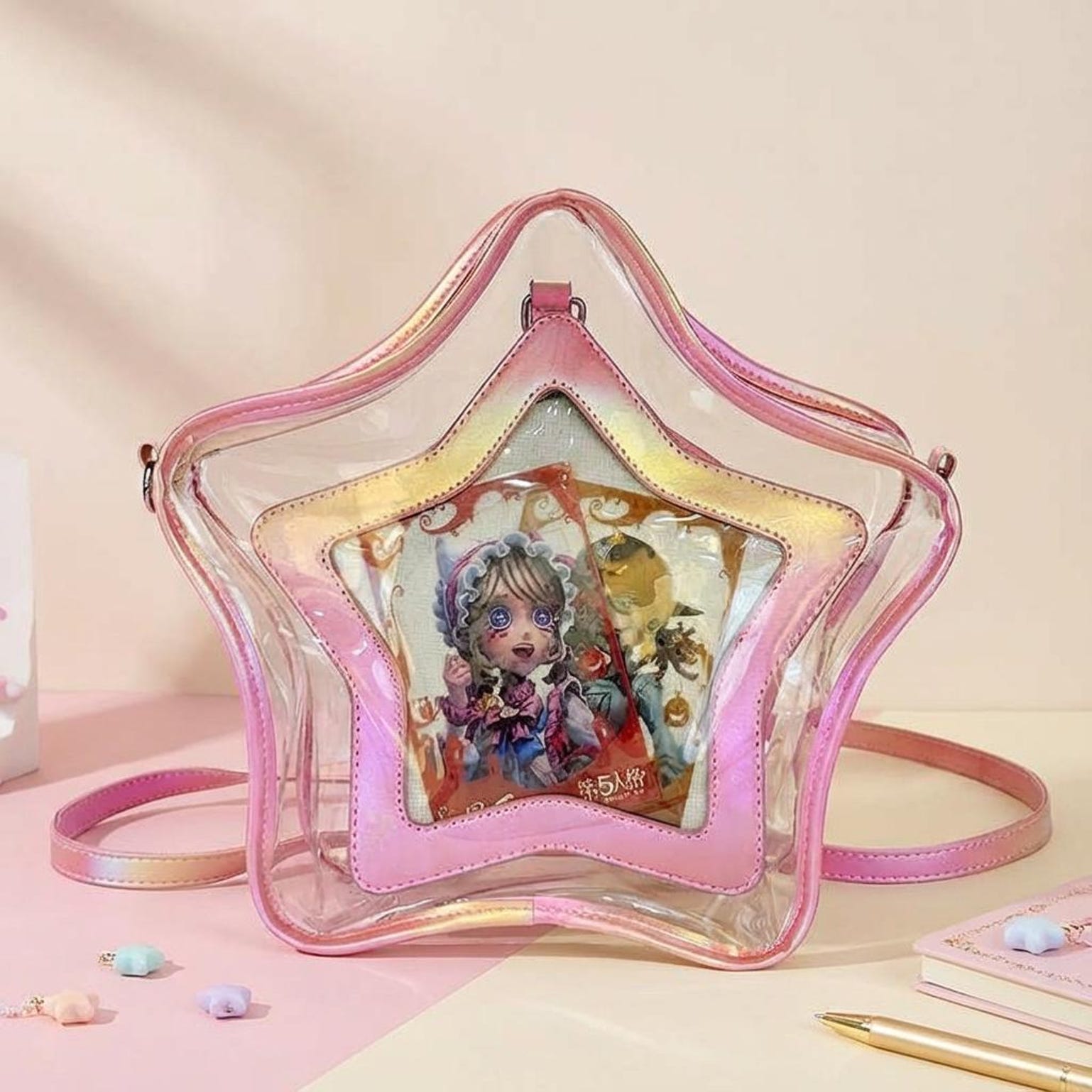
Window holds 3-10 pins. Shaped ita bags – bags shaped like a heart, star, coffin, circle, cat face, or other shapes.
The window follows the bag's outline. Popular as statement pieces.
What Makes a Good Ita Bag?
When shopping for your first ita bag, look for these features: Window quality: The clear window should be clean, with no visible distortion. PVC windows are soft and flexible; acrylic windows are clearer and more scratch-resistant but can crack if the bag is bent.
Window dimensions: Check the exact width and height of the display window. This determines how much you can show.
Most product listings should include this – if they don't, ask before buying. Insert included: A good ita bag includes a foam or fabric insert – the backing panel you pin items into.
Without an insert, pins have no surface to grip. Check whether one is included, and what size it is.
If not included, browse ita bag inserts . Construction quality: Look for reinforced stitching at the window corners (high stress point), strong zipper (especially on the display window flap), and padded straps on backpacks.
Capacity: Check if the bag can hold what you need beyond the display window – interior pockets, main compartment size, laptop sleeve if you need it.
How to Set Up an Ita Bag: The Basics
The best what is an ita bag? everything you need to know choice depends on the merch size, visible window, insert access, carry comfort, and how often the bag will be used. Start with the display job first, then choose color, theme, or shape so the final build stays readable, protected, and practical.
Shop Popular Ita Bags
Free shipping on orders over $75 — 500+ styles, inserts, and accessories in stock.

What counts as an ita bag?
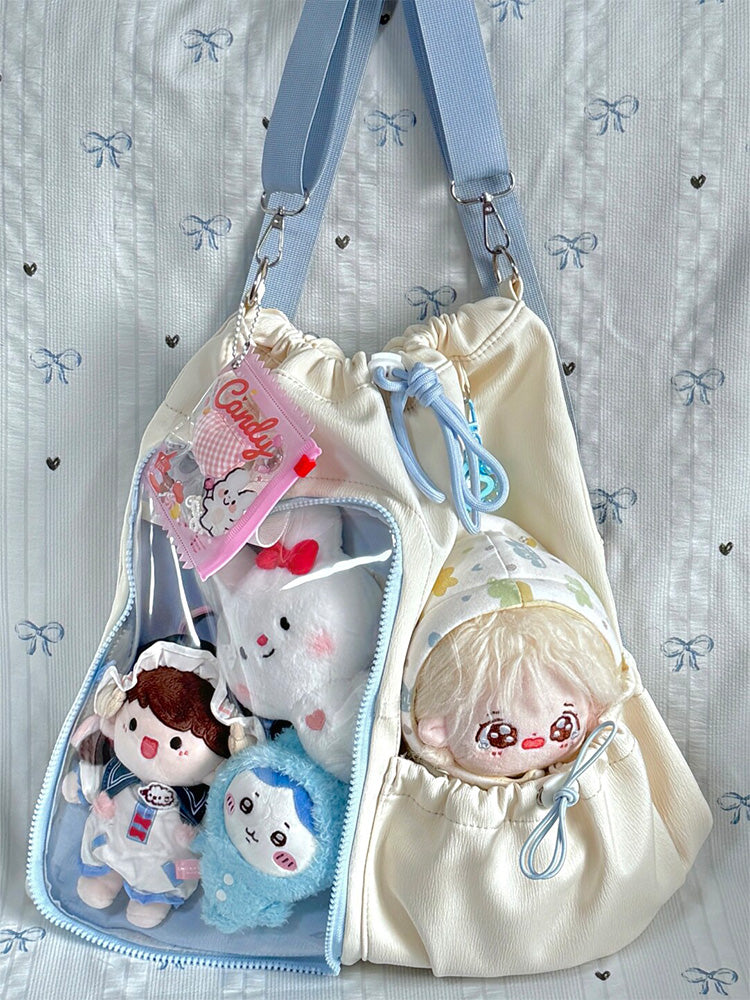
Definition: An ita bag (痛バッグ, itabaggu) is a bag with a clear display window, usually PVC, and an insert behind it, built to show pins, can badges, photocards, charms or small plushies while you carry it. A regular bag with a few pins on the outside is not an ita bag: the defining feature is the protected display window.
For YourItBag readers, the practical test is simple: the display should protect the merch, make the focal item easy to read, and still work for the way the bag will be carried.
For more detail: How to Put Acrylic Stands in an Ita Bag | How to Put Keychains in an Ita Bag
- Install your insert – place the insert inside the display window. It should fit snugly with a small gap around the edges.
- Plan your layout – arrange pins and items on the insert before pushing anything in. Get the composition right before committing.
- Anchor the focal piece first – your most important pin, standee, or plushie goes in the center or upper-center. Build outward from there.
- Push pins through the insert – standard pin backs push straight into foam. Don't force – if you're hitting resistance, reposition.
- Add keychains and charms – hang from pins using jump rings, or pin directly through chain links.
- Close and check – zip the window closed and look at the display from the front. Adjust anything that looks crowded or off-balance.
Ita Bag Culture Today
What started as a niche Japanese hobby is now a global fandom accessory. Today, ita bags show up at: The aesthetic has also merged with kawaii fashion, cottagecore, dark academic, and alt-fashion communities – ita bags are no longer purely an otaku item. They're a wearable form of self-expression.
- Anime conventions – Anime Expo, Otakon, Anime NYC, SDCC. Convention culture has adopted ita bags as a standard fan accessory.
- K-pop concerts – especially among BTS ARMY and other K-pop fandoms who display photocards and lightstick accessories.
- Fan events and release days – new game launches, movie premieres, idol comebacks.
- Daily wear – many collectors carry their ita bag daily, rotating setups with new merch as it releases.
How Much Does an Ita Bag Cost?
Price range | What you get
$15-$30 | Basic PVC window, thin insert, limited durability
$30-$65 | Better construction, multiple compartments, quality zippers
$65-$120+ | Original designs, quality materials, unique shapes, brand warranty
How to Decide
Choose the setup based on the merch you need to display and the way you plan to carry the bag.
Check visible window size, insert access, carry comfort, closure, and depth before choosing by color, fandom, or shape alone.
Those checks decide whether the display stays readable, protected, and comfortable in real use instead of only looking good in listing photos.
Do not buy by aesthetic alone. A cute theme cannot fix a shallow window, weak strap, awkward insert, or crowded layout.
| Option | Best for | Pros | Cons | When to avoid | Recommended product/category |
|---|---|---|---|---|---|
| Small focused display | One character, one color story, daily carry | Readable and easy to maintain | Limited room for bulky merch | Avoid when the collection already needs depth | Mini ita bags |
| Balanced everyday build | Pins, cards, and a few charms | Best mix of space and comfort | Can crowd quickly without an insert plan | Avoid when you need a very formal or very large bag | All ita bags |
| Large or plushie-heavy build | Convention or thick-merch layouts | More depth and easier spacing | Heavier to carry | Avoid when you only need a light everyday setup | Size guide |
Common Mistakes
Buying by color, fandom, or shape before checking visible window size and insert access.
Ignoring depth, strap comfort, or closure even though those details control real daily use.
Overfilling the display until faces, logos, and focal pieces stop reading clearly.
How do you choose your first ita bag?
Start with the display job: Pick the window size and insert access for the merch you will actually show. Pins and badges need a firm insert, plushies need window depth, and photocards need sleeves and a flat panel.
Then match the carry style: A crossbody or shoulder bag suits a light daily display; a backpack suits heavier merch, conventions or carrying a laptop all day.
Confirm before you buy: Check that the product page states the window measurements, whether an insert is included, the material and the closure. If a listing does not state them, treat the bag as unverified.
Frequently Asked Questions
How do I choose an ita bag?
An ita bag is a clear-window display bag used to show pins, badges, photocards, charms, or plushies while protecting the merch behind a PVC window. Choose one by matching the display area and insert access to the items you actually plan to carry.
What should I avoid when buying an ita bag?
Avoid choosing by color, fandom, or novelty shape alone. Check window measurements, insert support, material, closure, and return details first so the display stays readable and protected after checkout.
Does YourItBag recommend specific ita bags?
Yes, YourItBag recommends product directions only when the bag category matches a clear display job such as pins, photocards, plushies, or daily carry. Always open the product page before buying because current measurements, variants, price, and availability can change before checkout.
Good First Ita Bags to Browse
A few beginner-friendly bags from the current YourItBag catalog.
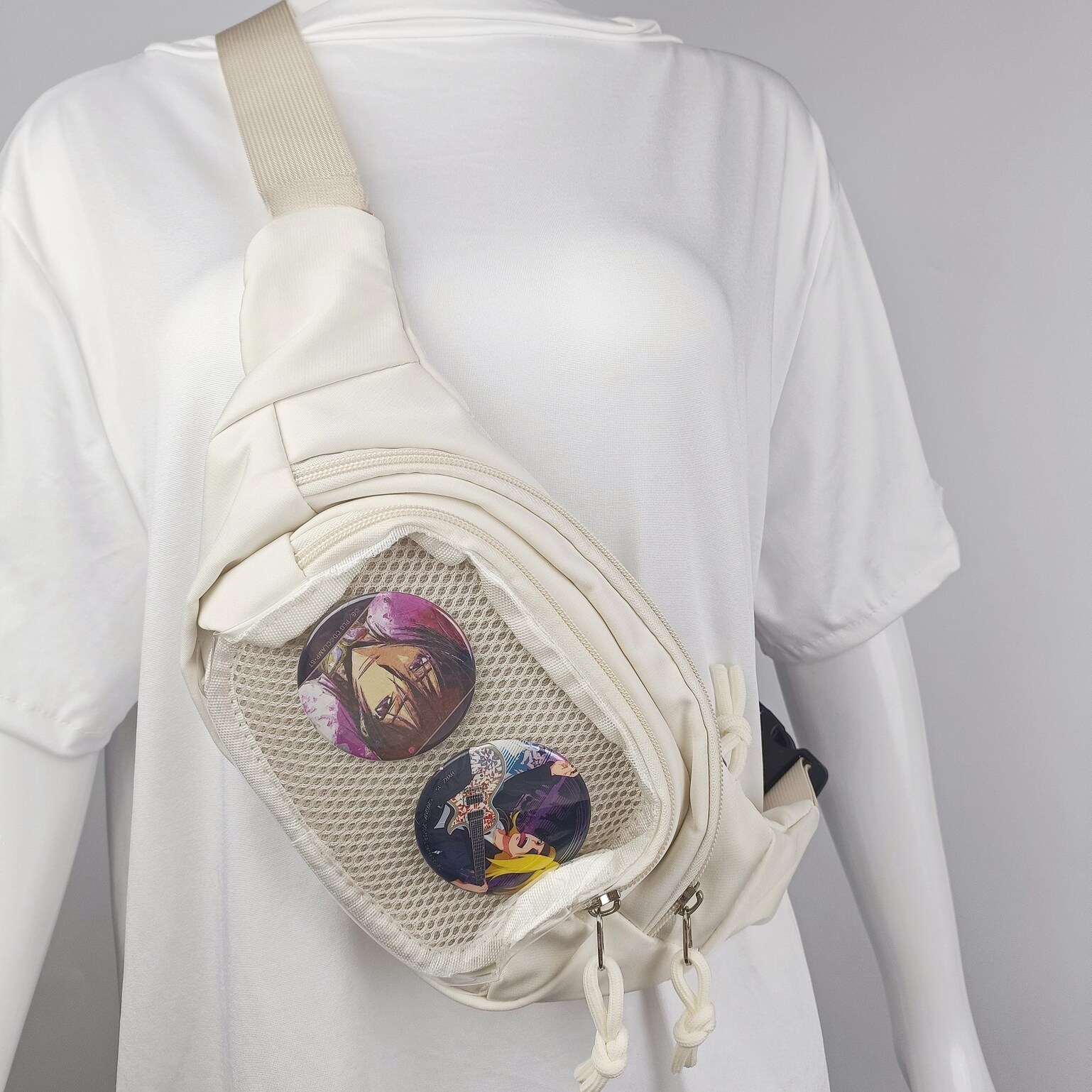
Mini Ita Crossbody Bag with Clear Window and Included Insert for Plushies and Pins
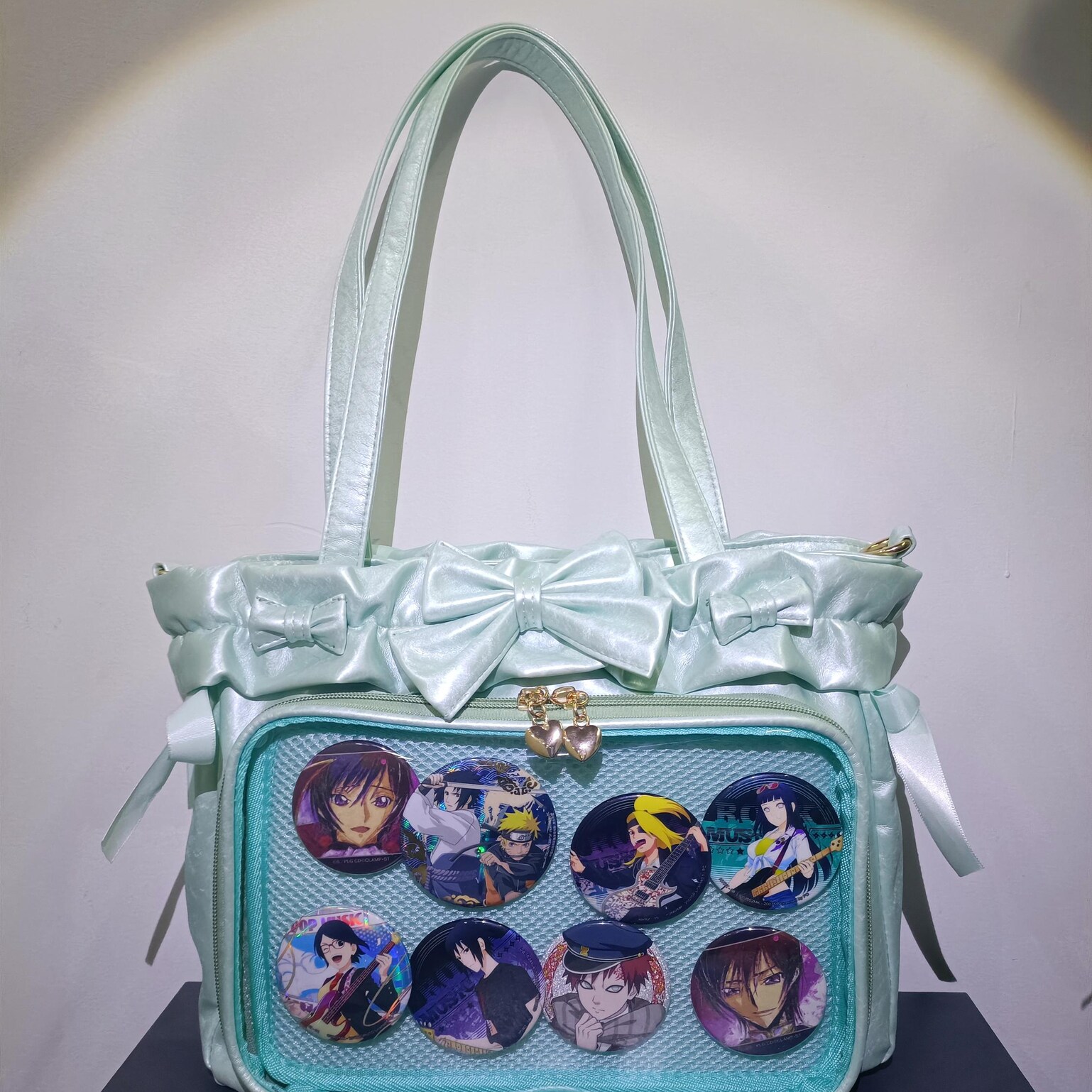
Green Ribbon Ita Crossbody Bag with Clear Window and Included Insert for Pin Display
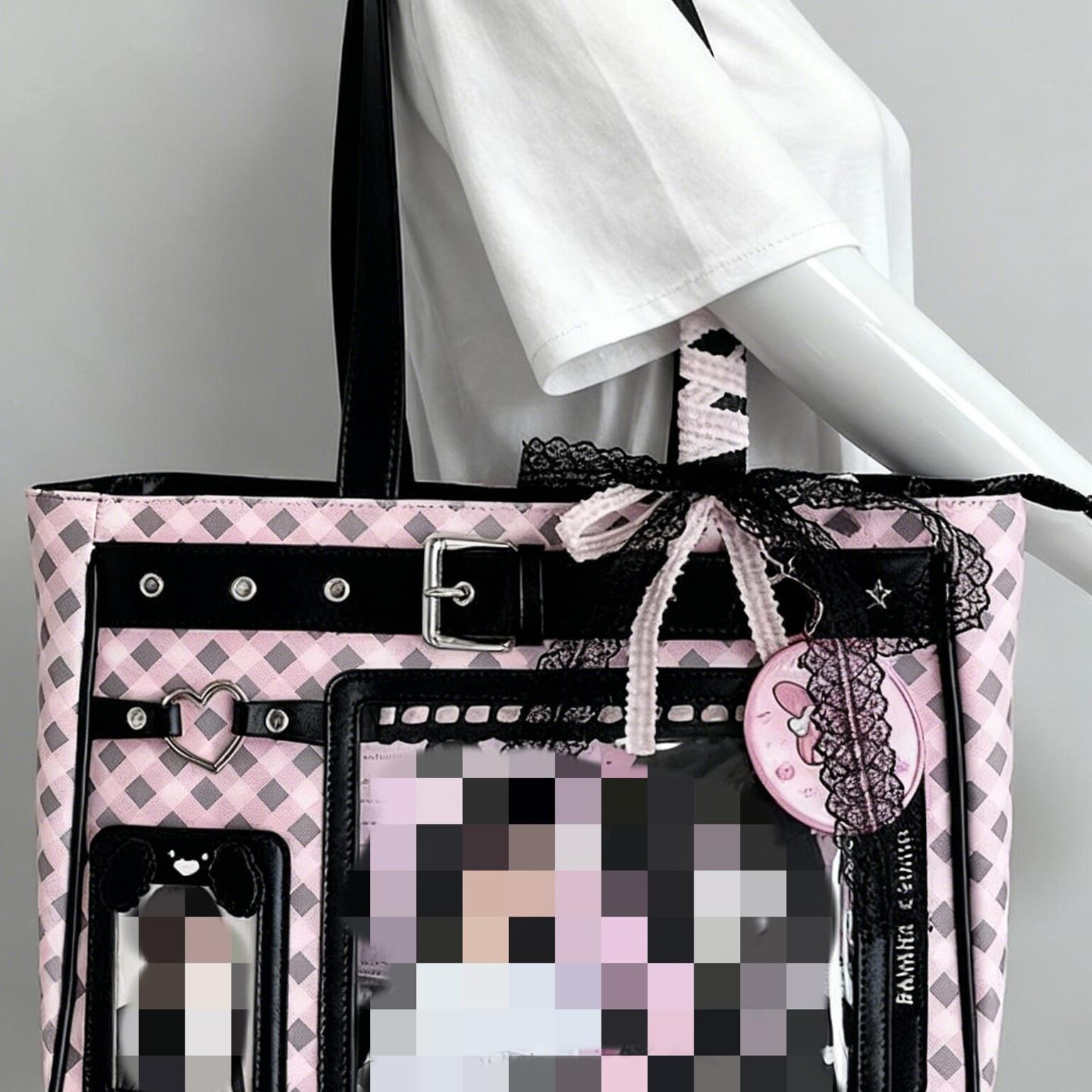
Large Pink Y2K Ita Shoulder Bag with Clear Window for Plushies and Pins
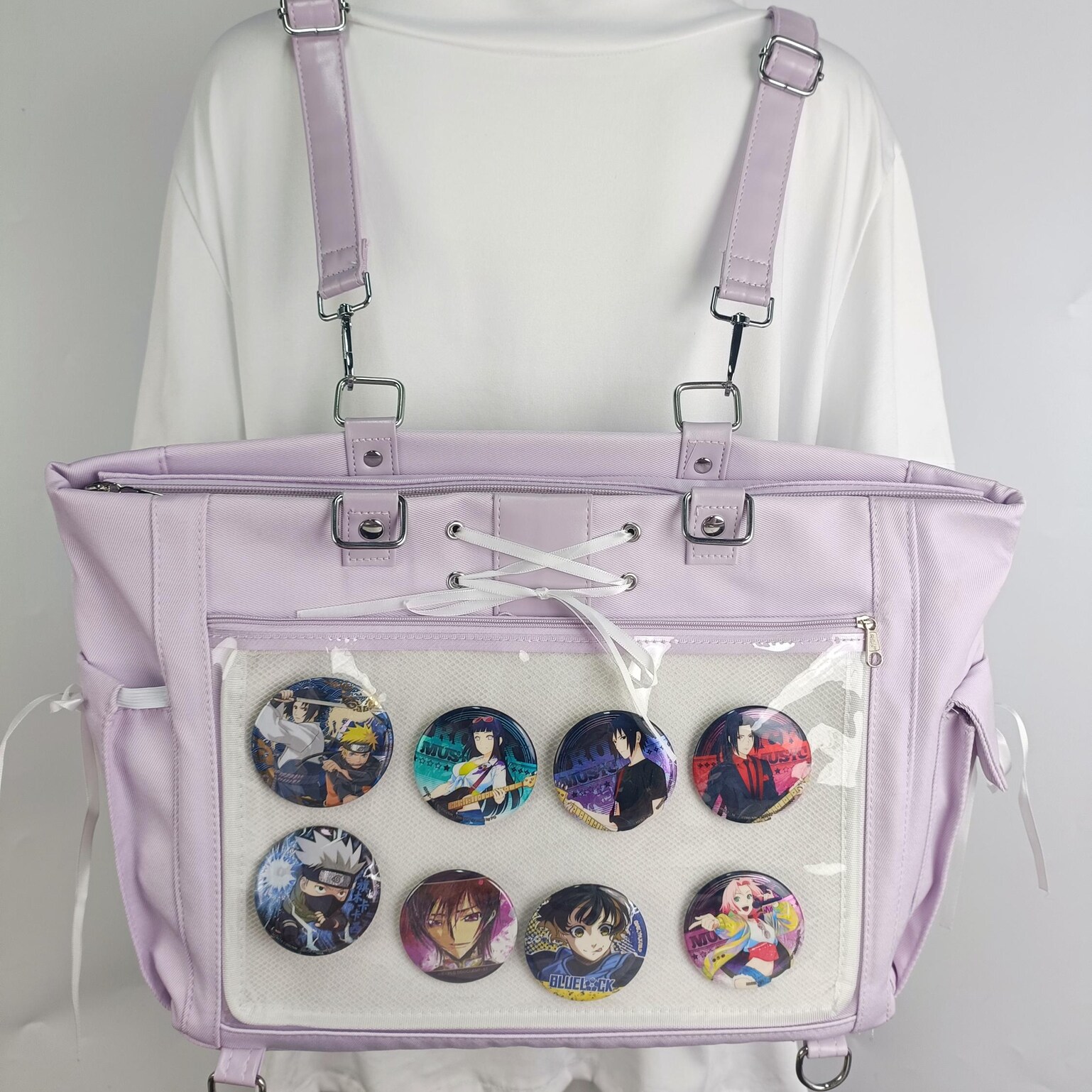
Ribbon Ita Backpack with Clear Window and Included Insert for Plushies and Pins
Continue Exploring
Shop Popular Ita Bags
Explore our top picks — clear-window bags ready to ship.
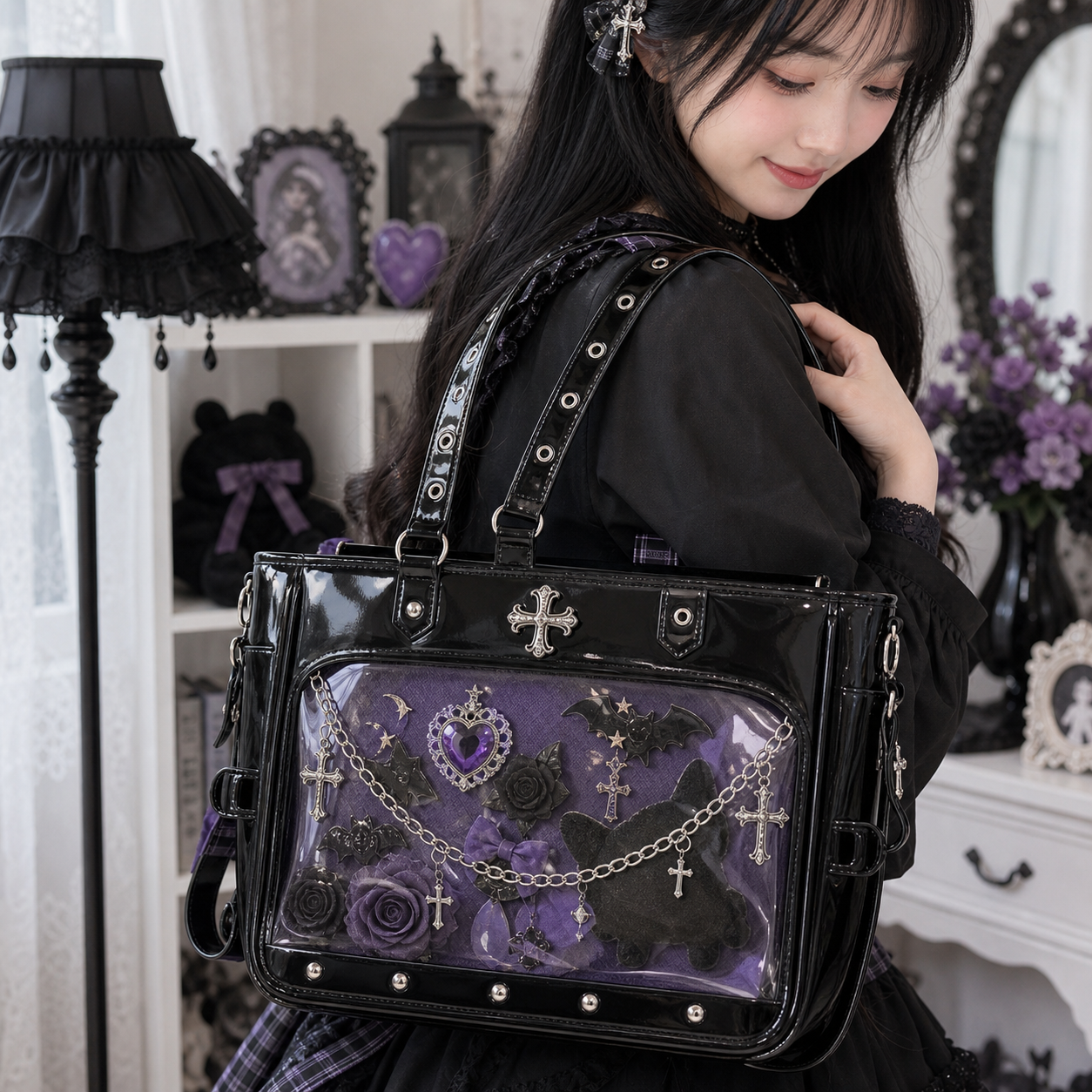
Build the next click naturally
Every audited page now ends with a live merch path and a guide path so the content can support both ranking intent and shopping intent.
Further Reading
Written and maintained by the YourItBag editorial team, drawing on product testing, collector community feedback, and ongoing market research.
Ready to build your ita bag?
Browse 500+ ita bags, inserts & accessories — with free US shipping at YourItBag.
Shop Ita Bags Starter Kit