
Ita Bag Blog
How to Display Photocards in an Ita Bag
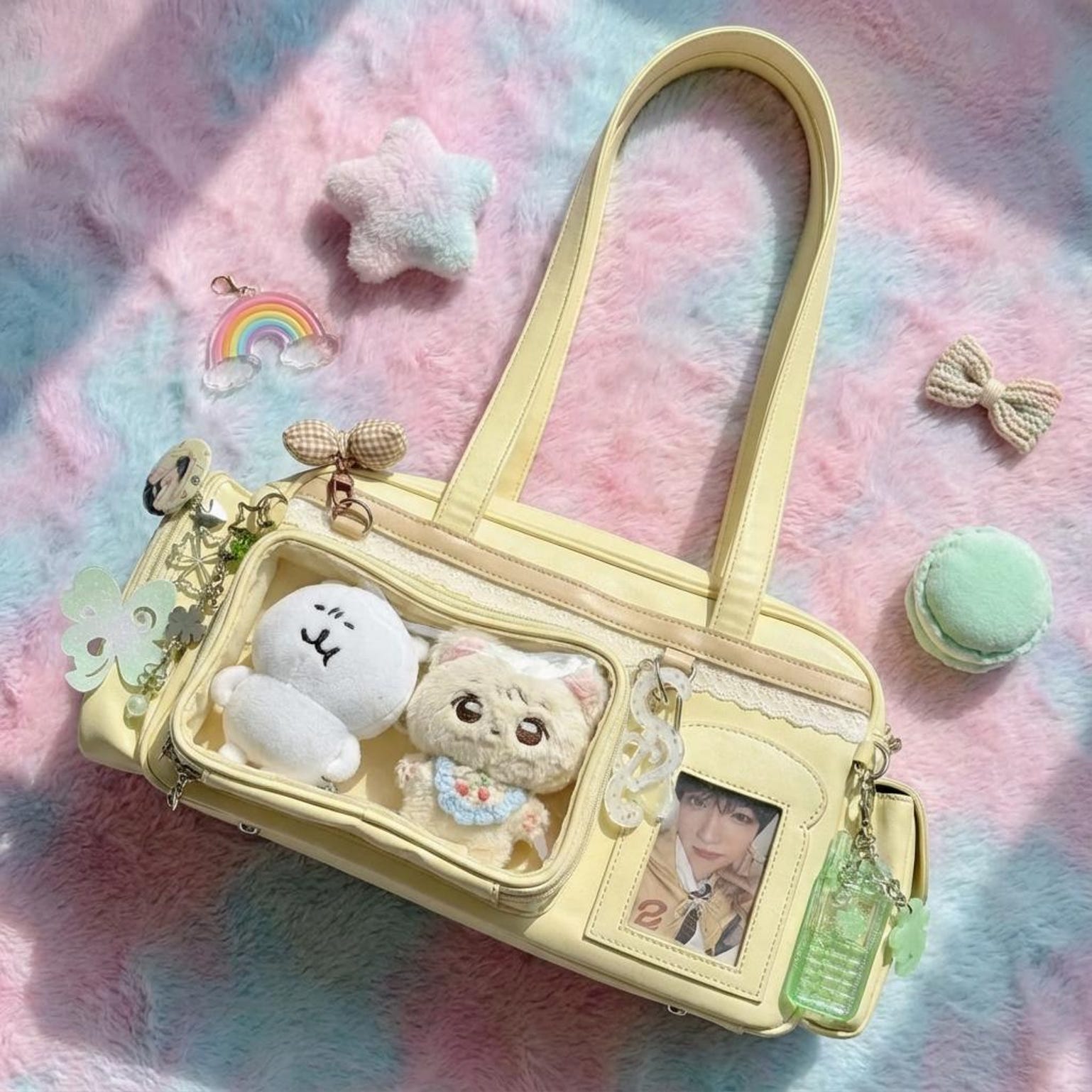
How to Display Photocards in an Ita Bag
Quick Answer: Use an ita bag with a flat rectangular window (20×15cm+). Protect cards in individual clear sleeves first. Place a thin foam or board backing behind the cards so they sit flush. Center your bias card, then arrange supporting cards around it. Avoid curved or rounded window bags — cards don’t lay flat and edges curl.
What You Need
- Ita bag with flat rectangular window (not rounded, not heart-shaped)
- Clear protective sleeves — standard 60×90mm fits most official photocards
- Board or foam backing insert — keeps cards flat and prevents shifting
- Optional: sticky tack or removable tape for positioning cards before pinning
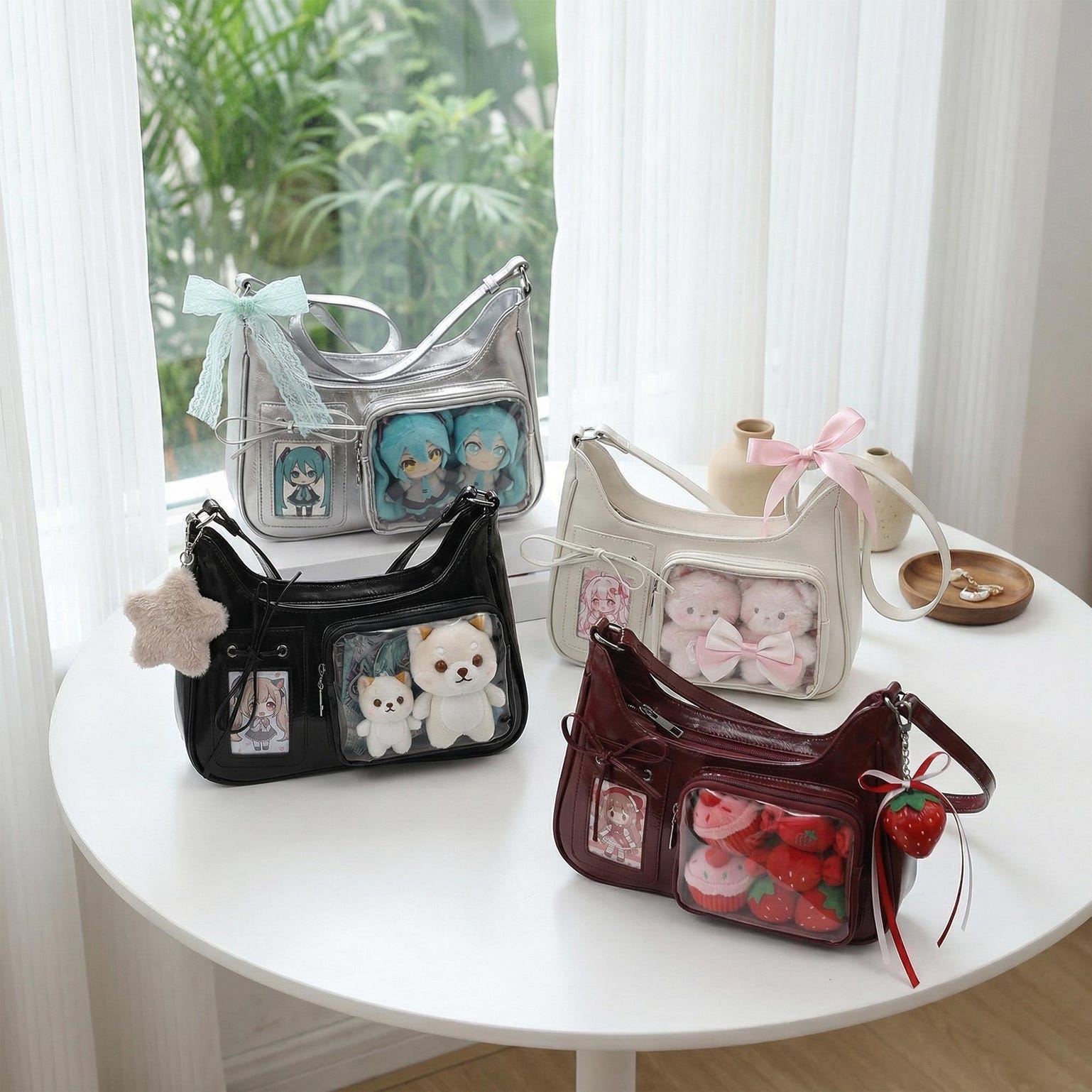
Top Picks from YourItBag
Free shipping on orders over $75 — 500+ styles, inserts, and accessories in stock.

Step 1 — Choose the Right Bag
Not every ita bag is ideal for photocards. The window shape matters.
| Window type | Photocard display? | Why |
|---|---|---|
| Flat rectangle | Best | Cards lay completely flat |
| Slightly rounded | Acceptable | Minor edge curve, mostly fine |
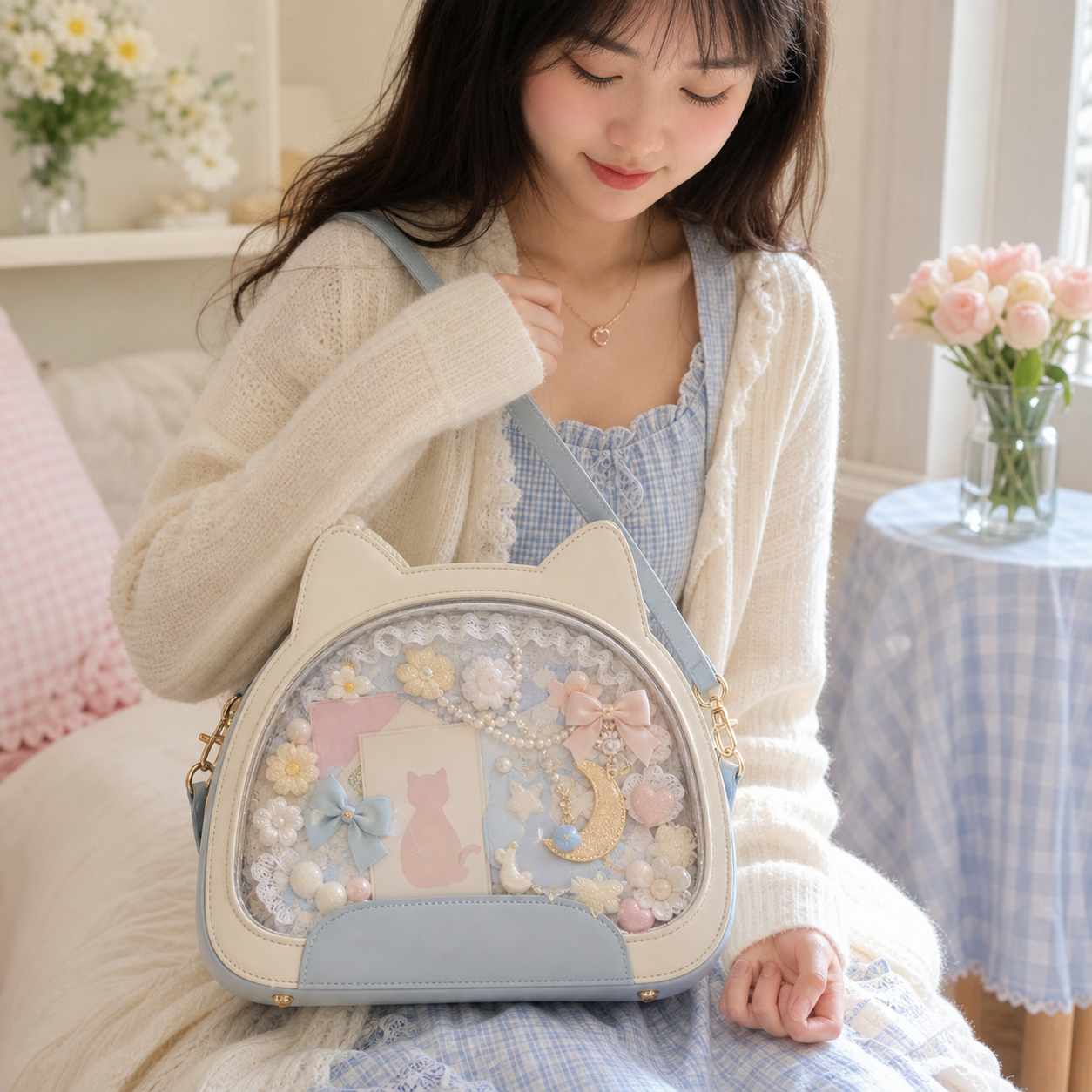
| Heart/coffin/rounded | Not ideal | Cards curve with the window shape |
| Deep curved | Avoid | Cards bend, display looks messy |
Minimum window size: 20×15cm fits 8-10 standard photocards. For full-group displays (7+ members), go 25×18cm or larger.
See our photocard ita bags and size guide for specific fits.
Step 2 — Protect Your Cards First
Official photocards are printed on coated paper or thin cardstock — they scratch, dent, and crease easily.
Before placing any card in the display:
1. Slide each card into a clear protective sleeve (60×90mm standard for official K-pop cards)
2. The sleeve creates a barrier between the card and the insert surface
3. For extra protection: double-sleeve (a slightly larger soft sleeve over the standard one)
Why this matters: Direct contact between cards and PVC windows over time can cause ink transfer and surface dulling. Sleeves prevent this.
Step 3 — Prepare the Insert
For photocard display, a flat board insert works better than a fabric pin insert.
Options:
- Foam board backing — cut to your window dimensions, cards attach with removable tape or small velcro dots
- Fabric insert — cards can be slipped behind the insert fabric if it’s a pocket-type insert
- Dedicated photocard display backing — rigid board with clear pockets (available from stationery shops)
If your bag came with a pin fabric insert, you can still use it: cards attach against the fabric with removable adhesive strips or slide between the insert and window.
Step 4 — Arrange Your Display
This is the creative part.
Layout strategies:
Bias center:
Place your main bias card in the visual center of the window. Surround with unit or group members radiating outward. Works well for any group size.
Era/comeback layout:
All cards from one specific album or comeback. Often creates a natural color story since era merchandise is designed cohesively.
Color palette:
Arrange cards by color rather than by group. Blue cards together, pink cards together, etc. Looks striking even when mixing different groups.
Grid:
3×3, 2×4, or similar uniform grid. Clean, organized, easy to update one card at a time.
Cascade:
Cards slightly overlapping diagonally across the window. Maximizes how many cards fit in a limited window.
Placement tips:
- Odd numbers per cluster (3, 5, 7) look more natural than even
- Leave a small visible border around the edge — touching the edges makes it look cramped
- Portrait orientation is standard for most official photocards. Landscape if the card art calls for it.
- Step back and look from display distance (30-60cm), not close-up — that’s how most people will see it
Step 5 — Secure the Cards
Cards should not shift during wear.
- Removable adhesive strips (3M Command strips or equivalent): secure cards to backing, repositionable
- Small velcro dots: attach to card sleeve and backing for easy swapping
- Thin foam layer over display: when transporting, place a layer of soft foam or bubble wrap over the cards inside the compartment before closing — prevents shifting in transit
Creative Ideas
“Bias Shrine”: One oversized center card, smaller supporting cards around, light badge or acrylic accent in corners. Dedicated to one person.
“Album wall”: All cards from one comeback, arranged to recreate the album art color palette. Instagram-worthy.
“Multi-era timeline”: Cards arranged chronologically from debut to current — left to right. Great for long-running groups.
“Group shot center”: A group official card center-front, individual member cards layered behind or surrounding.
Frequently Asked Questions
Q: What is the best ita bag for displaying photocards?
A flat rectangular window bag with a minimum 20×15cm window. For larger groups, 25×18cm or bigger. Avoid curved windows — cards don’t lay flat. See our K-pop ita bag guide and photocard collection.
Q: Do I need to protect photocards before displaying them?
Yes. Use individual clear card sleeves (60×90mm) before placing cards in the display. This protects against scratching, ink transfer from PVC windows, and general surface wear.
Q: How many photocards fit in an ita bag?
A 20×15cm window holds approximately 8-10 standard photocards. A 25×18cm window fits 15-20 cards. Numbers vary based on arrangement style (overlapping, grid, cascade). See our size guide for exact dimensions.
Q: Can I mix photocards and pins in the same ita bag display?
Yes. Common arrangement: photocards in the upper portion of the window (needs flat backing), pin badges below or around the border. Acrylic keychains attached to insert corners. The key is using an insert that accommodates both flat cards and pin attachment.
Build Your K-pop Display
→ Shop Photocard Ita Bags
→ Shop K-pop Ita Bags
→ K-pop Ita Bag Guide
→ Ita Bag Size Guide
→ Shop Photocard Ita Bags — flat windows, K-pop display formats and protective accessories.
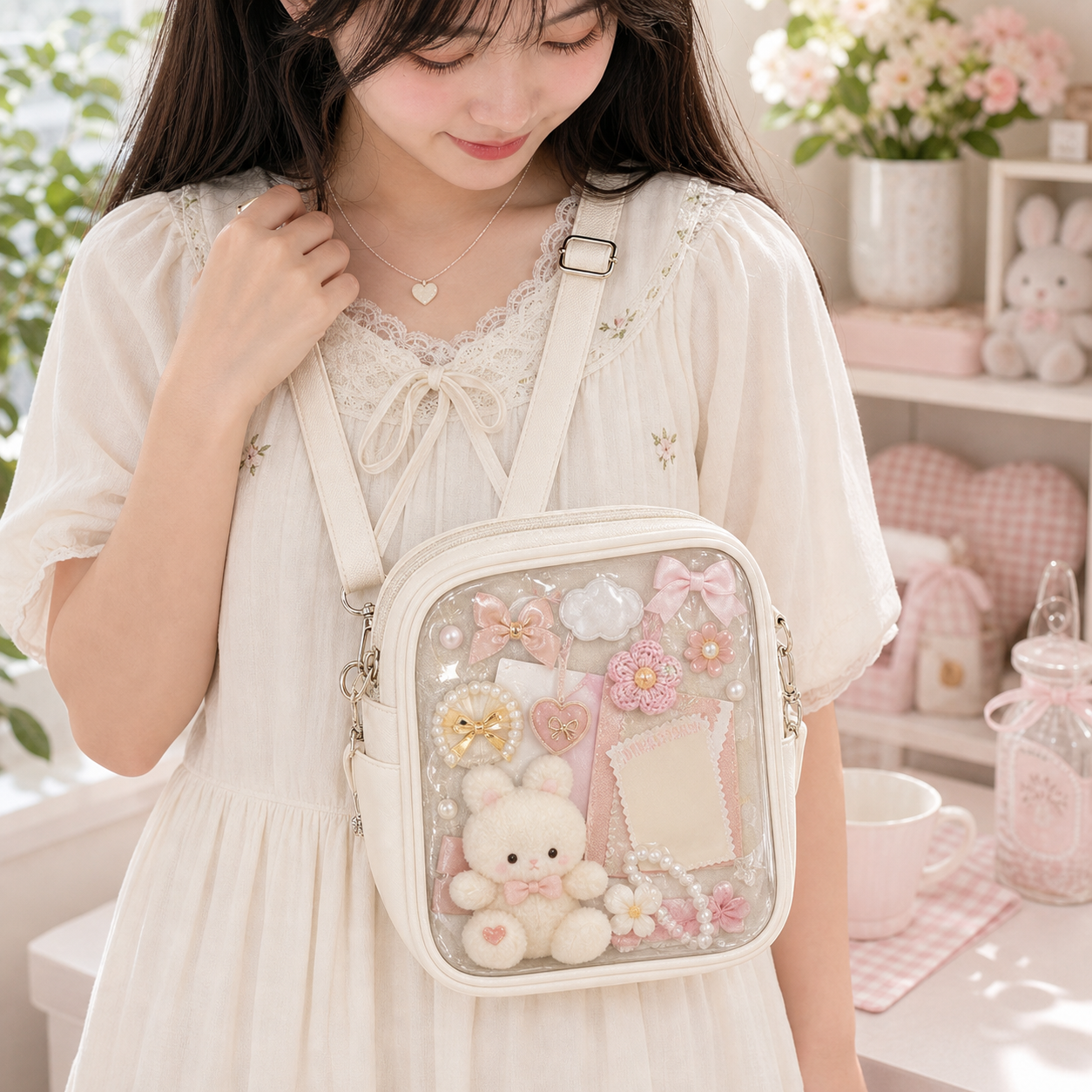
Shop Popular Ita Bags
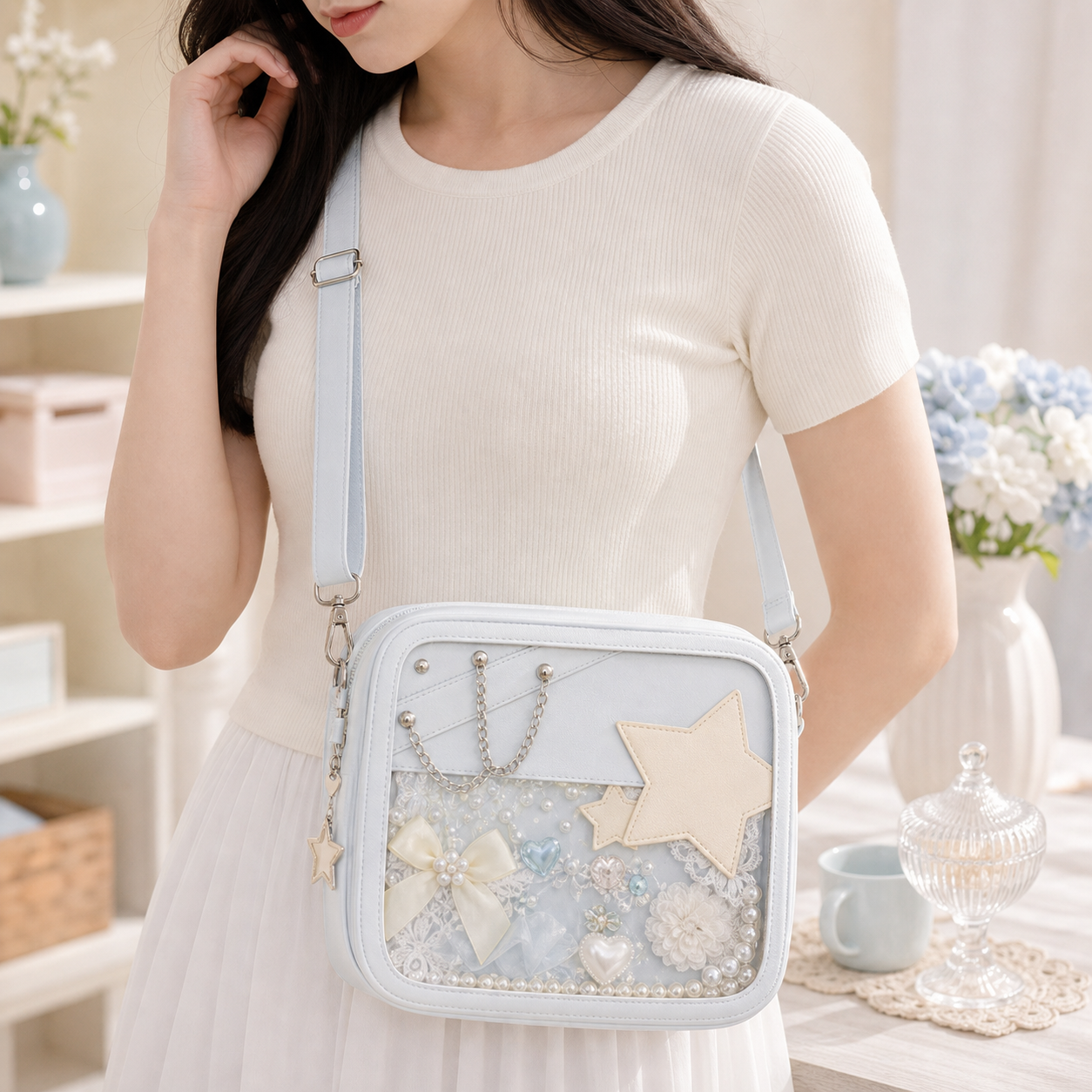
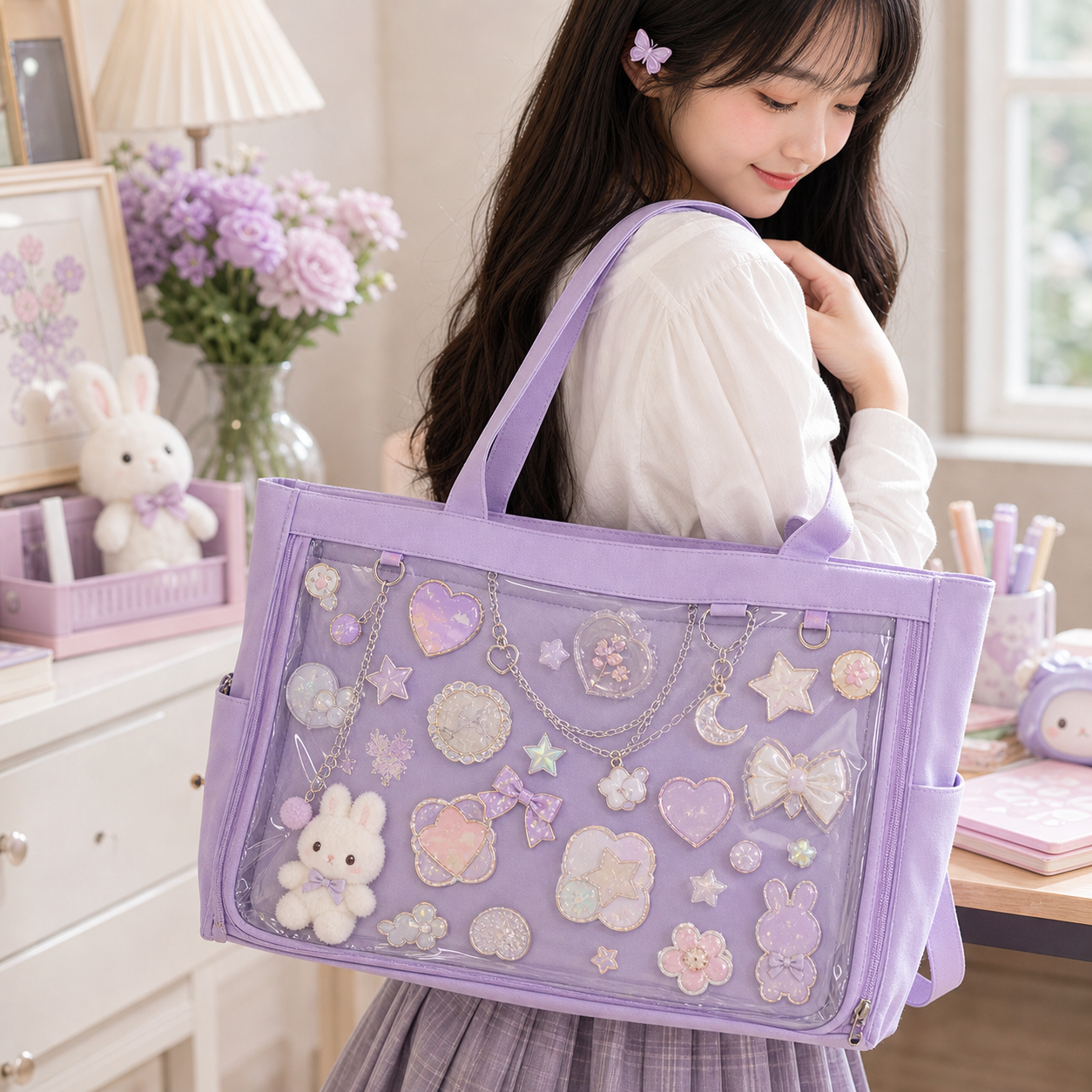
Explore our top picks — clear-window bags ready to ship.
Browse the full collection
Find the right ita bag for your collection and use case.
Further Reading
Written and maintained by the YourItBag editorial team, drawing on product testing, collector community feedback, and ongoing market research.
