
An ita bag sewing pattern needs more planning than a normal tote because the clear window, removable insert, lining, and access zipper all have to work together. Start with a simple rectangular crossbody before attempting a novelty shape.
Before You Start
Decide what the display must hold before drawing the pattern. Pins and photocards need a flat window; plushies need depth. A first project is easier when the window is rectangular and the insert slides in from a zipper opening.
- Outer fabric: canvas is forgiving; faux leather needs a suitable needle and careful handling.
- Clear window: use flexible clear vinyl or PVC intended for sewing.
- Insert sleeve: allow enough room for a foam or plastic-canvas insert.
- Structure: interfacing helps the bag keep its shape around the window.
Core Pattern Pieces
| Piece | Purpose | Important allowance |
|---|---|---|
| Front frame | Holds the clear window | Leave enough border for a strong seam |
| Clear panel | Protects the display | Cut slightly larger than the finished opening |
| Insert pocket | Holds pins and merch | Allow easy removal without bowing |
| Back and gusset | Creates storage | Match the finished front dimensions |
| Strap tabs and closure | Makes the bag wearable | Reinforce high-stress points |
A Reliable Construction Order
- Make a paper or inexpensive fabric mock-up before cutting final material.
- Finish the clear-window frame and attach the vinyl before assembling the bag body.
- Build the insert sleeve so it remains accessible after the lining is installed.
- Add interfacing, zipper, gusset, and back panel.
- Reinforce strap anchors, turn the bag, and test the insert before final topstitching.
Clear vinyl can drag under a presser foot. Tissue paper, a Teflon foot, or a walking foot can help it feed more evenly. Do not iron directly on vinyl.
Test the Window, Insert, and Strap
Before calling the project finished, load the insert with pins, close the window, and carry the bag for several minutes. The insert should stay flat, the vinyl should not pull at the corners, and the strap anchors should not twist the display.
For insert construction, use the separate how to make an ita bag insert guide. For capacity planning, check the ita bag size guide.
When Buying a Base Bag Makes More Sense
Sewing is worthwhile when you need a specific shape, fabric, or window size. If your goal is mainly a custom display, buying a ready-made base and customizing the insert is faster and often cheaper.
Browse ready-made ita bags, inserts, and accessories before deciding how much of the project to build from scratch.
Shop Popular Ita Bags
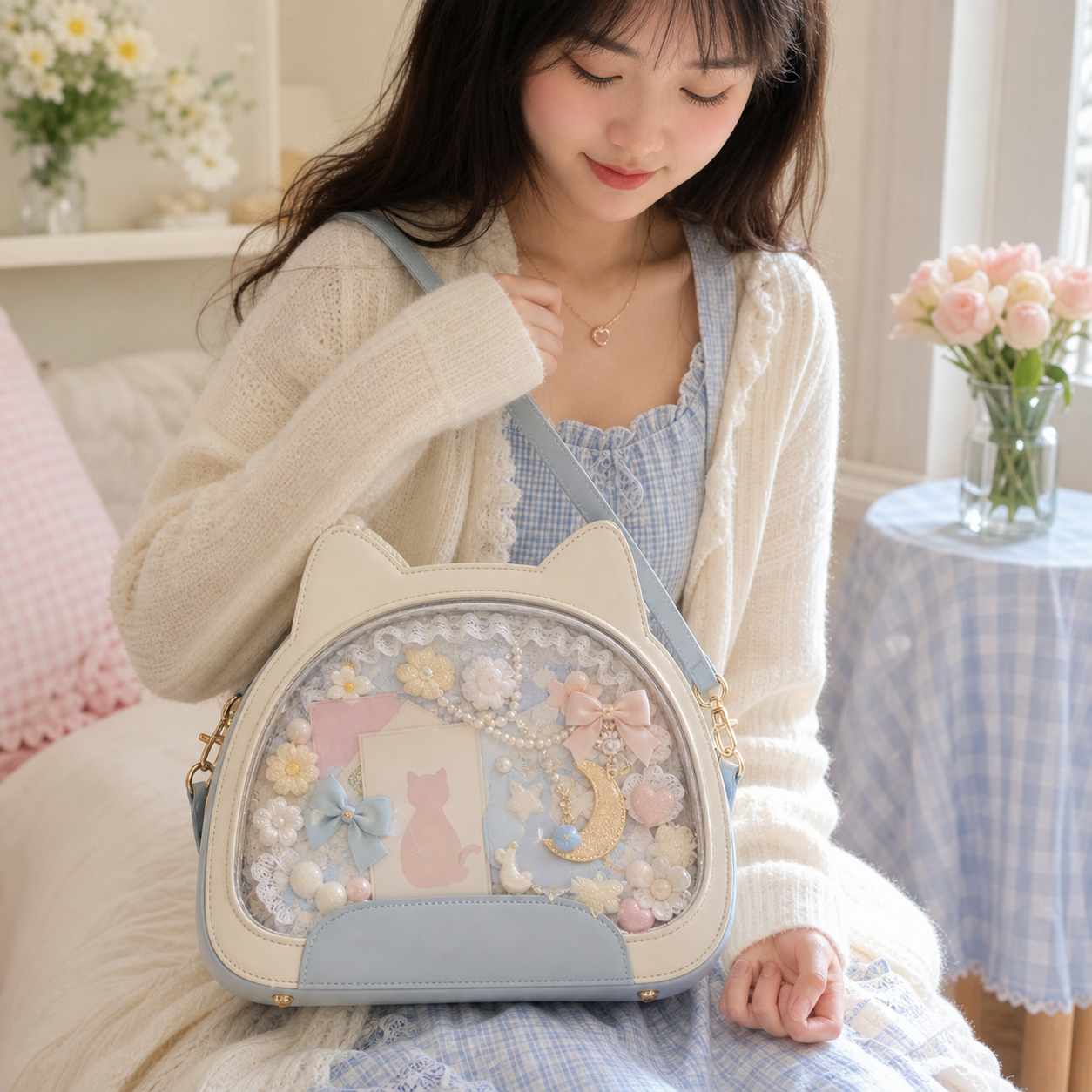
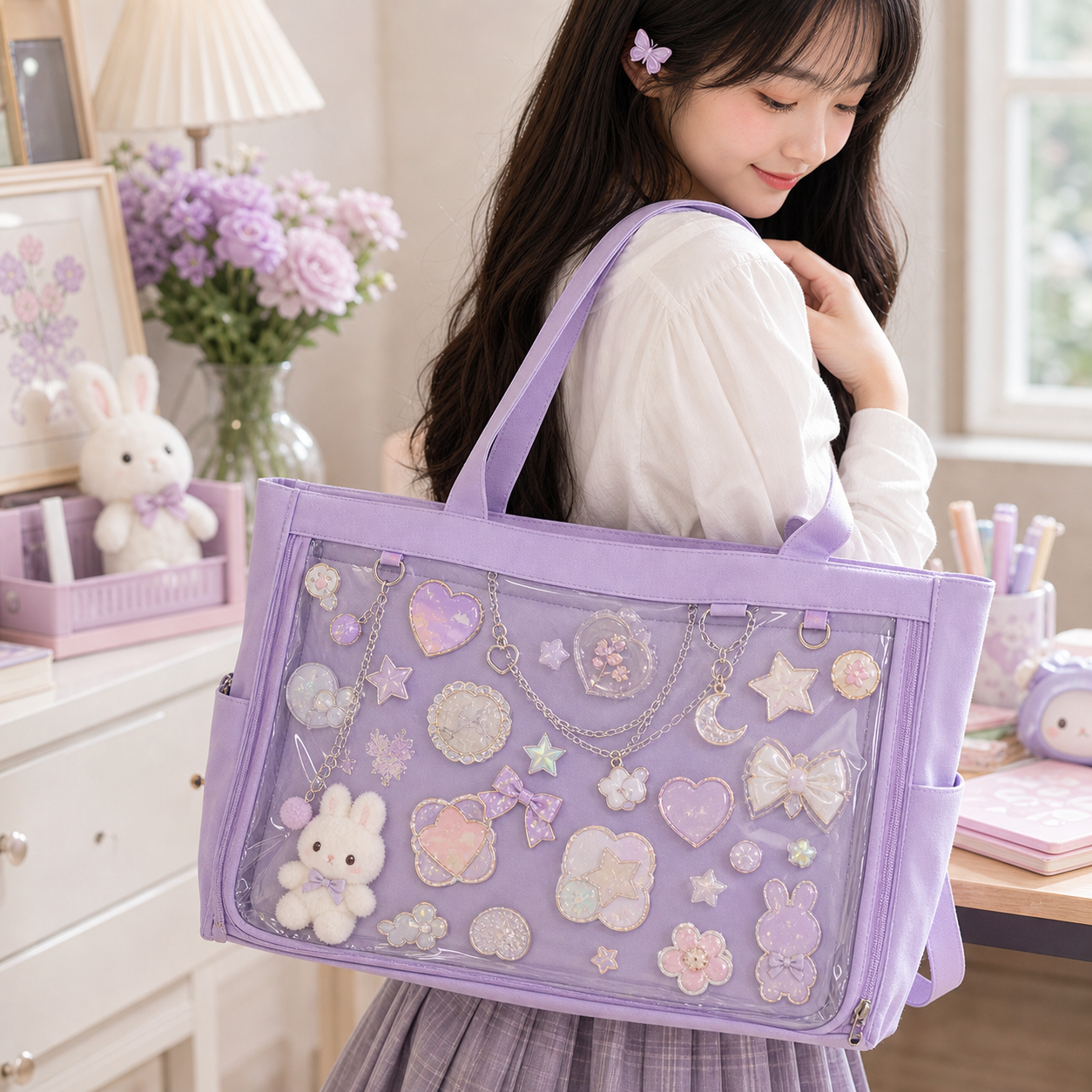
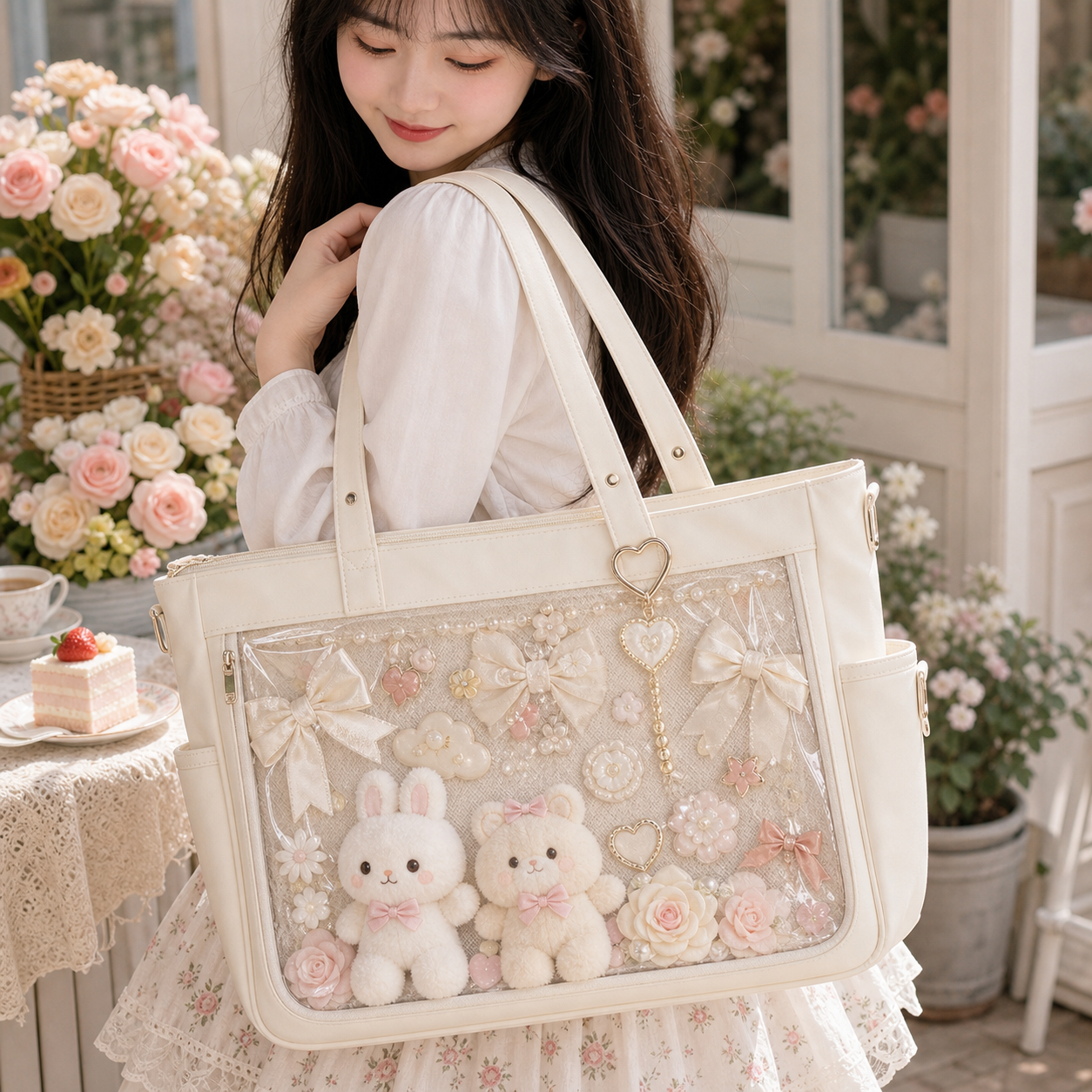
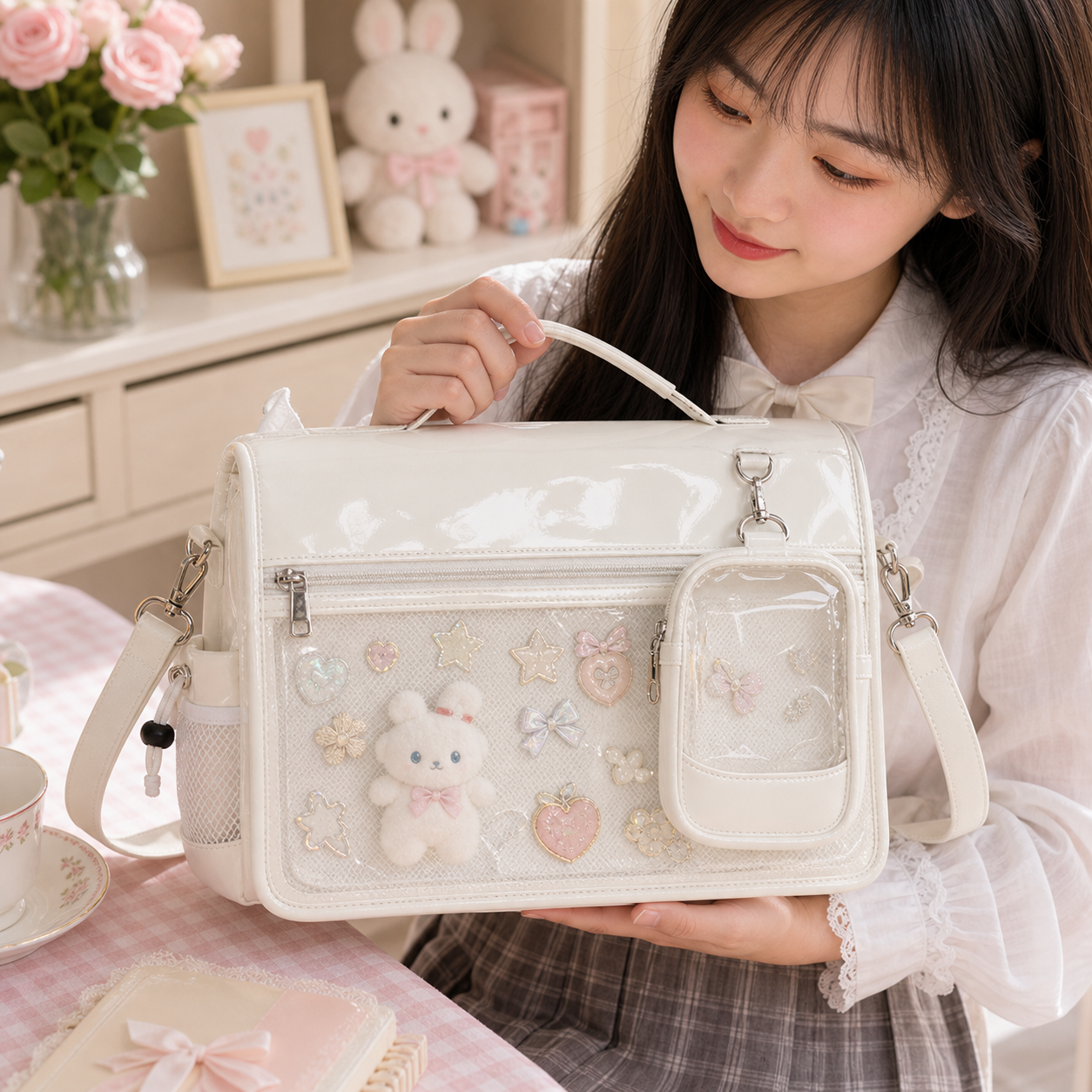
Clear window styles, mini crossbodies, convention backpacks, and starter kits — the most popular picks from YourItBag.
Frequently Asked Questions
Can a beginner sew an ita bag?
Yes. Start with a rectangular canvas crossbody and make a mock-up before using final fabric.
What clear material should I use?
Use flexible clear vinyl or PVC intended for sewing, and test it with your machine before assembly.
Do I need a removable insert?
A removable insert is strongly recommended because it protects the bag and makes layouts easier to change.
Can I make an ita bag from an existing bag?
Yes. Adding a separate clear display pocket or using a ready-made base can be easier than sewing the full bag.
Make a Test Insert Before Cutting the Bag
A cardboard test insert is a fast way to verify the planned window. Draw the seam line and finished opening, then place real pins, cards, or a paper outline of the plushie on it. This reveals whether the frame is too narrow and whether the display needs more height or depth before expensive fabric is cut.
Keep notes from the mock-up: finished dimensions, seam allowance, zipper length, strap anchor position, and any places where the insert catches. Those measurements turn the first experiment into a reusable pattern instead of a one-off guess.
Related Ita Bag Guides
Continue with the guide that matches the next decision in your build, whether that is choosing the bag, planning the insert, or refining the display.