
What You Need Before You Start
To fill an ita bag cleanly, start with the collection, not the bag. Choose the pins, photocards, keychains, plushies, or acrylic charms you actually want to display, then pick the insert, window size, and spacing around those items. That order keeps the setup intentional instead of crowded.
This ita bag filling guide works as a beginner ita bag tutorial: gather a bag with a clear display window, a removable insert or foam board, pin backs or locking backs, card sleeves or toploaders for photocards, and a microfiber cloth for the PVC window. A ready-made ita bag starter kit can work as a beginner ita bag set when you want the basic bag-and-insert pieces together.
- Insert board: foam or fabric-covered board that fits inside the display window.
- Main merch: the hero pin, plushie, photocard, charm, or standee that sets the theme.
- Fillers: smaller pins, ribbon, rosettes, badge covers, or charms for gaps.
- Protection: sleeves for photocards and locking backs for heavier pins.
Step 1: Choose Your Theme
If you wonder how to start an ita bag, choose one theme before adding merch. A theme can be a character, oshi colour, anime series, concert era, school look, or seasonal palette. For example, a Miku ita bag setup might use teal and black as the base, one large Miku badge as the focal point, and smaller blue-green charms as fillers.
Keep the intent narrow. A general anime ita bag setup can become hard to read if every fandom item competes for attention. If your collection includes multiple fandoms, choose one hero item for the center and group everything else by colour or shape.
Step 2: Prepare Your Insert
Cut or choose an insert that sits flat behind the clear window. Leave a small border around the edge so the insert slides in without bending. If the PVC is foggy or smudged, clean it before you pin anything; the PVC window cleaning guide covers safe microfiber cleaning.
Use this quick fitting check before pinning:
| Setup choice | Best for | Limitation |
|---|---|---|
| Foam insert | Most enamel pins and badges | Can warp if overloaded near the top |
| Fabric insert | Softer looks, rosettes, ribbons | Needs careful tension so pins do not sag |
| Toploaders | Photocard ita bag setup | Adds thickness behind the window |
| Mini plushies | Soft focal pieces | Need more depth than flat pins |
Step 3: Plan Your Layout Before Pinning
For the cleanest merch setup ita bag, lay every item on the insert before you attach anything. Put the biggest or most meaningful item near the center, then arrange medium pieces around it and use small pins or charms to fill gaps. Take a phone photo before pinning so you can rebuild the layout if anything shifts.
A good layout has clear visual weight. Keep heavier items in the lower half, leave a small margin near the window frame, and avoid stacking thick pieces where they will press into the PVC.
Step 4: Attach Your Items
Pin from the center outward. Use locking backs for heavier enamel pins, safety pins only where they will not snag fabric, and sleeves or toploaders for photocards. If you are learning how to set up ita bag displays for the first time, do not pierce cards directly and do not rely on tape for heavy pieces.
For ita bag setup for photocards, protect every card in a sleeve or toploader and attach the holder to the insert instead of piercing the card. For accessories, compare ita bag inserts, ita bag charms, and ita bag chains.
Step 5: Close and Wear
Slide the insert in slowly and check the window from the front before closing the bag. If the display bows outward, remove one thick item or move it lower. If pieces disappear behind the frame, shift the layout inward by about 1 to 2 cm.
Before wearing the bag outside, hold it upright for a minute and gently move it the way you would while walking. If anything tilts or pulls, fix it at home instead of at an event.
Pro Tips from the Community
Useful ita bag setup tips for beginners are mostly about restraint. Choose one focal point, repeat colours, protect flat paper merch, and leave enough empty space for the design to breathe. Common ita bag setup errors include overfilling the top edge, using bare photocards, ignoring window depth, and mixing too many unrelated themes.
Criteria for deciding whether the setup is finished: the main item is obvious, the window closes flat, every fragile item is protected, and the bag still feels comfortable to carry. The limitation is that no layout can make oversized plushies or thick acrylic pieces fit a shallow window safely.
Shop Popular Ita Bags
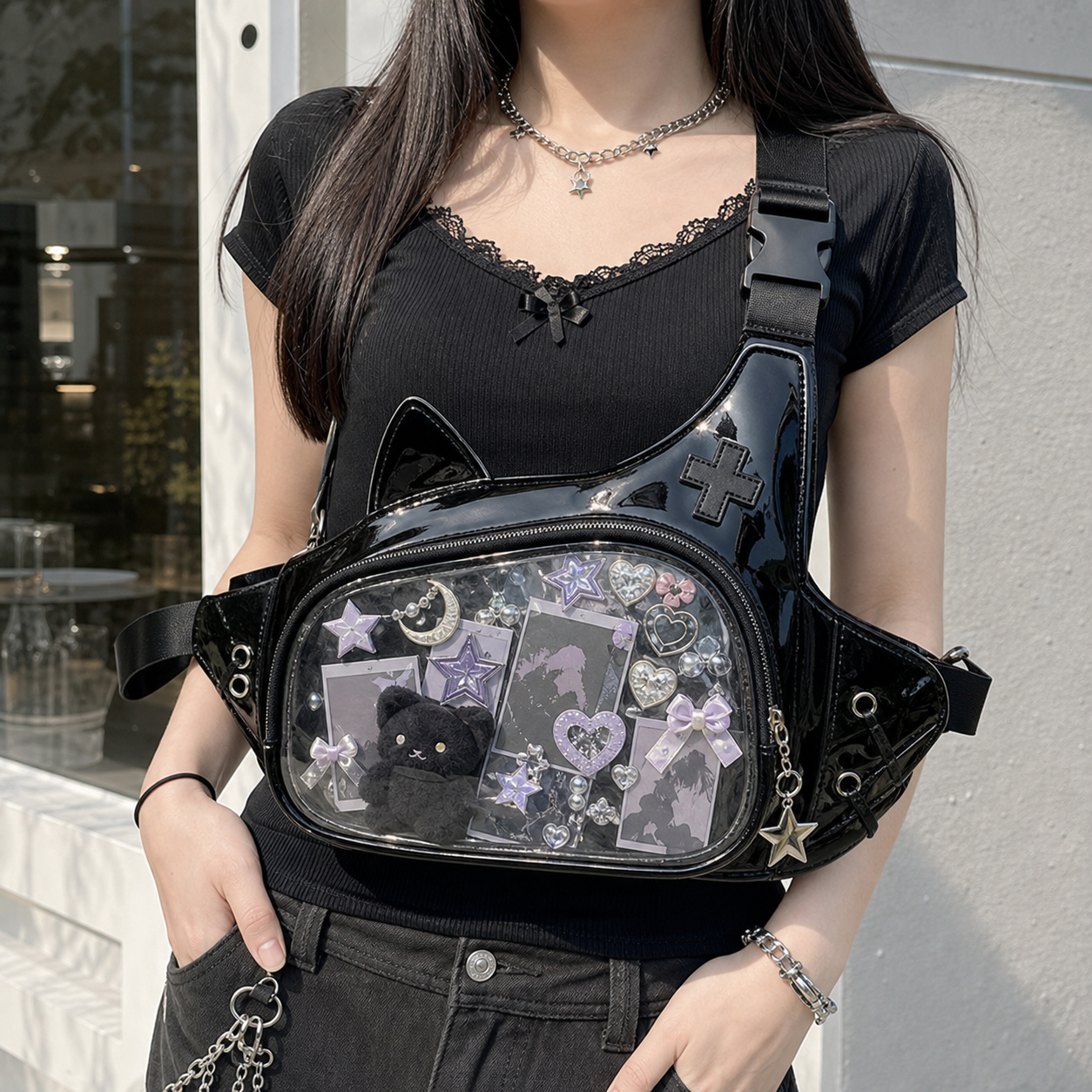
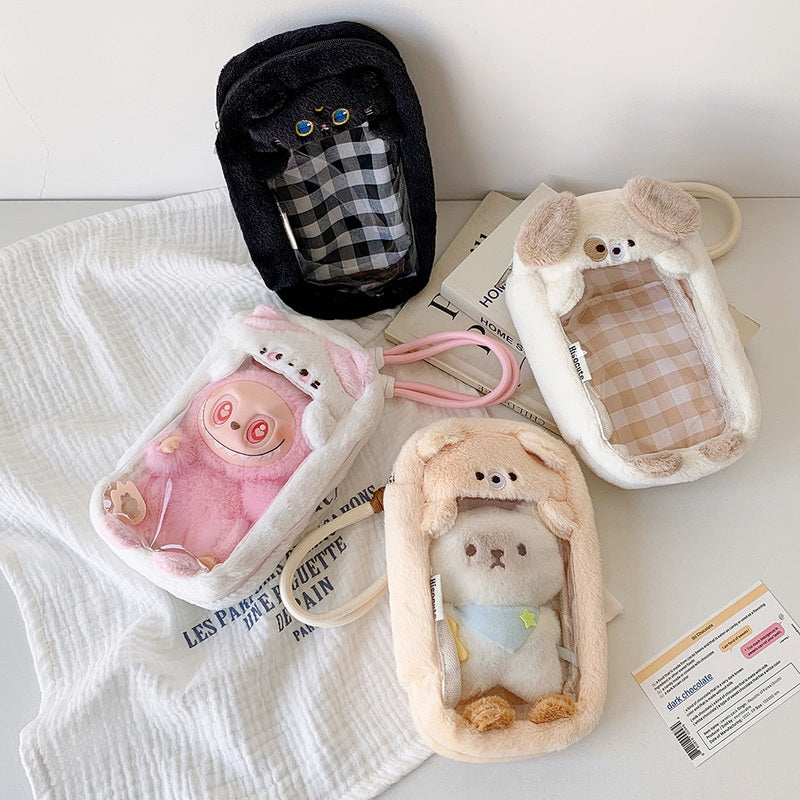
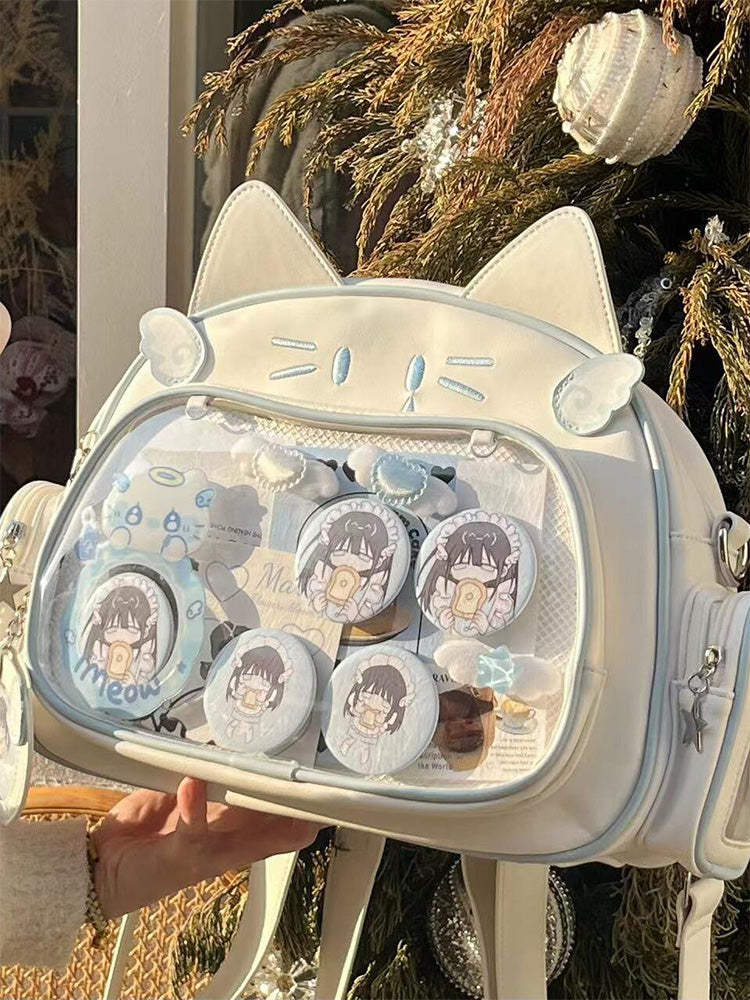
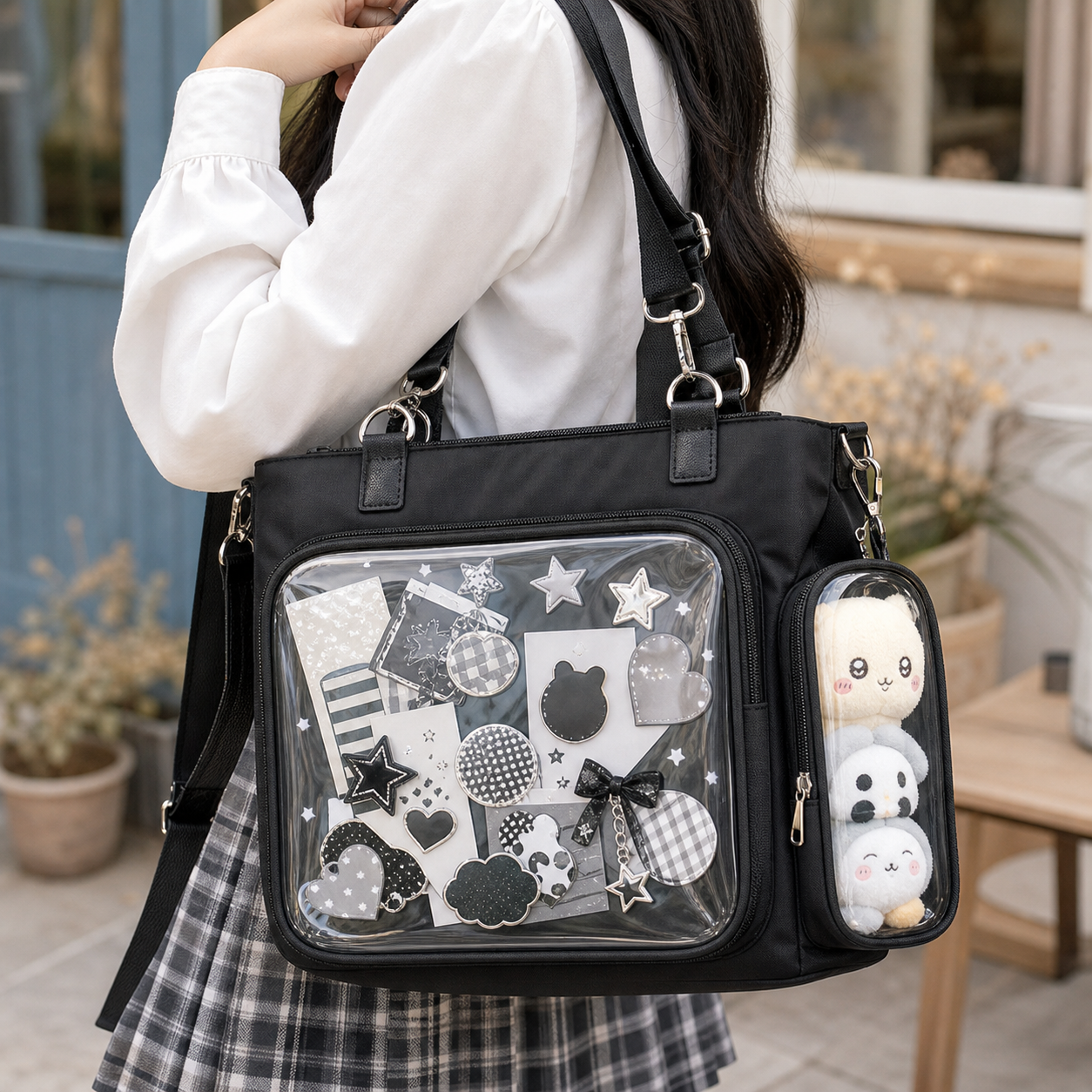
Clear window styles, mini crossbodies, convention backpacks, and starter kits — the most popular picks from YourItBag.
Frequently Asked Questions
Start with one focal item, arrange the insert flat before pinning, repeat two or three colours, and use smaller pins or charms only where they support the main display.
Pick one theme, choose a bag size that fits the merch you already own, protect photocards in sleeves, and pin the layout on a removable insert before putting it into the bag.
Yes. Use sleeves or toploaders, attach the holder to the insert, and avoid direct PVC pressure on the card surface. A deeper window is better when toploaders add thickness.
Shop Ita Bags
For a first build, start with a clear-window bag and an insert that matches your merch depth. Browse all ita bags, compare clear-window ita bags, or use the ita bag size guide before choosing a larger display.