
Exploring the Latest Reissue Bag Trends for Fashion Enthusiasts
Reissue Bag: the Ultimate Guide to Style and Quality

Everything You Need to Know About the Reissue Bag
Quick Answer: A reissue bag is a modern reproduction of a classic handbag design, often incorporating updated materials or manufacturing techniques. It differs from other bags by its commitment to nostalgic designs and its often limited availability, appealing to collectors and fashion enthusiasts alike.
Understanding the Reissue Bag
Understanding the Reissue Bag
The reissue bag represents a significant trend in the world of fashion, embodying a blend of nostalgia and contemporary design. These bags are often produced by luxury brands as part of a limited run, focusing on reviving iconic styles from previous collections. The concept of a reissue bag ties closely to the idea of an archival revival bag, where designers draw inspiration from their brand’s history to create items that resonate with collectors and fashion enthusiasts alike.
Typically, a reissue bag is crafted with meticulous attention to detail, often utilizing premium materials that enhance both the aesthetic appeal and durability. For instance, leather, suede, or innovative textiles may be employed to ensure that the bag not only looks exquisite but also withstands the test of time. This approach contrasts with more standard bags, as the reissue often includes unique elements or features that are reminiscent of the original design, such as specific hardware, stitching patterns, or color palettes.
The term reedition bag is frequently used interchangeably with reissue bag, though it can sometimes indicate more extensive changes in the design or material selection. A reedition bag with premium materials might incorporate modern advancements in textiles or sustainable practices that were not available during the original production. This evolution allows brands to maintain relevance in an ever-changing market while honoring their design heritage.
Brands such as Chanel, Gucci, and Louis Vuitton have successfully leveraged the reissue concept, creating a sense of exclusivity and desirability. By offering bags that reflect both the past and present, they cater to a diverse audience that appreciates craftsmanship, history, and modernity. For those interested in learning more about the history of fashion bags and their significance, the Fashion Institute of Technology provides valuable insights and resources.
The Concept of Archival Revival Bags
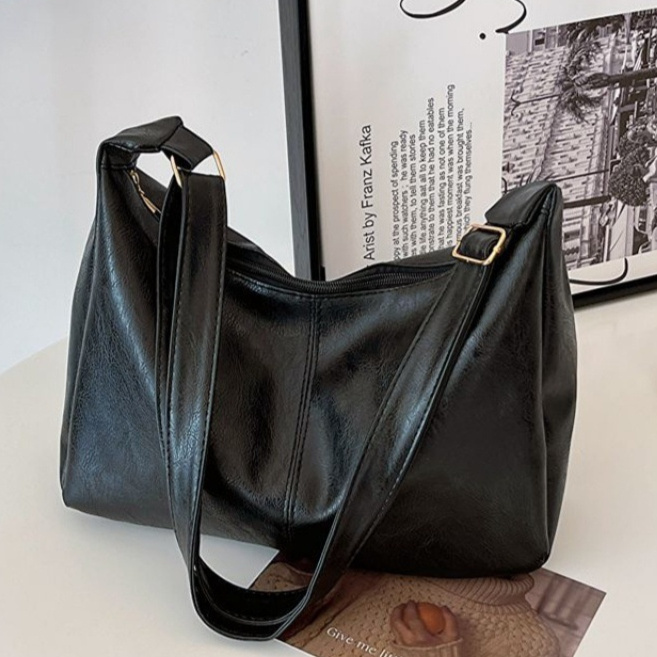
The concept of an archival revival bag has gained significant traction in the fashion industry, particularly among luxury brands that seek to honor their heritage while catering to modern consumers. An archival revival bag typically refers to the reissue of a classic design that has been carefully curated from a brand’s historical collections. This practice not only celebrates the brand’s legacy but also addresses contemporary style and functionality demands.
Characteristics of Archival Revival Bags

These bags are often characterized by:
- Timeless Design: Archival revival bags often feature iconic silhouettes that have stood the test of time, making them appealing to both long-time enthusiasts and new customers.
- Premium Materials: Many archival revival bags are crafted from premium materials, ensuring durability and luxury. This can include high-quality leather, innovative fabrics, or even sustainable materials that reflect current trends in fashion sustainability.
- Attention to Detail: The craftsmanship involved in creating an archival revival bag often mirrors the original version, with meticulous attention to detail in stitching, hardware, and finishes.
Connection to Other Bag Concepts
In the broader landscape of fashion, the reissue bag and the reedition bag share similar attributes with archival revival bags. While a reissue bag focuses on bringing back a popular design for a limited time, a reedition bag with premium materials may offer modern updates or enhancements while maintaining the essence of the original. This distinction is important, as each term represents a different approach to resurrecting historical designs.
As consumers increasingly value authenticity and heritage, brands have recognized the potential of archival revival bags to create lasting emotional connections. Such bags often become coveted items, as they embody not only a piece of fashion history but also a narrative that consumers can engage with. For more insights into how fashion brands leverage their historical designs, you can explore this article on fashion history which provides a broader context.
What is a Reedition Bag?
An Reedition Bag represents a contemporary interpretation of a classic design, often drawing inspiration from the original creations of iconic fashion houses. These bags are part of a larger trend known as archival revival, where brands revisit their historical collections to celebrate their heritage while making them accessible to a new generation of consumers.
The term reedition refers to the practice of reproducing a past design, typically with modern enhancements. A reissue bag often features updated aesthetics or materials, yet maintains the essence of the original design. This dual approach allows brands to honor their legacy while catering to current market demands.
Features of a Reedition Bag
- Timeless Design: The fundamental silhouette and elements of the original design are preserved, ensuring that the bag remains true to its roots.
- Premium Materials: Many reedition bags are crafted with premium materials, elevating their quality and durability. This not only enhances the product’s appeal but also contributes to its longevity.
- Limited Editions: Some brands release their reedition bags in limited quantities, making them highly sought after by collectors and fashion enthusiasts alike.
The growing popularity of the reedition bag reflects a shift in consumer preferences, where individuals seek items that blend nostalgia with modern practicality. Fashion houses leverage this trend to engage their audience, often telling a story behind each design that adds to its allure and value.
For further insights on the significance of fashion revivals, you can explore this Wikipedia article on Fashion History.
Reedition Bags with Premium Materials
Reedition bags have gained significant attention in the fashion world, particularly due to their emphasis on craftsmanship and quality materials. A reedition bag with premium materials exemplifies the intersection of luxury and functionality, making it a coveted item among fashion enthusiasts and collectors alike.
The Importance of Premium Materials
When discussing reedition bags, the use of premium materials is paramount. These bags often utilize high-quality leather, durable fabrics, and sophisticated hardware, which not only enhance the aesthetic appeal but also ensure longevity. For instance, bags crafted from full-grain leather are known for their durability and ability to develop a beautiful patina over time.
Additionally, the incorporation of eco-friendly materials is becoming increasingly prevalent, aligning with consumer demand for sustainable fashion choices.
Craftsmanship and Design
The craftsmanship involved in creating a reedition bag is equally as important as the materials used. Many luxury brands have revived archival designs, meticulously recreating them with modern touches while retaining the essence of the original. This revival often involves expert artisans who employ traditional techniques, ensuring that each bag is not only a fashion statement but also a work of art.
The attention to detail in stitching, lining, and finishing touches often sets these bags apart from mass-produced alternatives.
Notable Examples
Several renowned brands have embraced the concept of the reedition bag with premium materials. For example, brands like Gucci and Prada have launched collections that celebrate their heritage through revived designs, often utilizing luxurious materials such as silk and high-grade canvas. These bags not only serve as functional accessories but also as a nod to the brand’s history and craftsmanship.
By focusing on these premium materials and expert craftsmanship, a reedition bag transcends mere utility; it becomes a timeless piece that resonates with fashion aficionados looking for both style and substance. For further insight into the evolution of fashion items like the reedition bag, you can explore Wikipedia’s page on fashion history.
Comparing Reissue and Archival Revival Bags
When examining the differences between a reissue bag and an archival revival bag, it is essential to understand the underlying philosophies and design approaches associated with each type.
A reissue bag refers to a modern remake of an iconic bag design that has been previously released. These bags often retain the same aesthetic and functionality as the original, appealing to collectors and fashion enthusiasts alike. The primary goal of a reissue is to recreate the original’s charm while incorporating contemporary materials and craftsmanship.
For instance, brands may introduce a reedition bag with premium materials to enhance durability and appeal.
In contrast, an archival revival bag focuses on celebrating the history and legacy of a brand’s past designs. While these bags may borrow elements from historical collections, they often feature updated interpretations that reflect current trends and consumer preferences. The archival revival concept allows for a nostalgic yet progressive approach, ensuring that the essence of the original design is preserved while making it relevant for today’s market.
Key Differences
- Design Philosophy:
- Reissue Bags prioritize authenticity to the original design.
-
Archival Revival Bags blend historical inspiration with modern design elements.
-
Material Use:
- Reissue Bags may utilize contemporary materials, enhancing performance without straying from the original look.
-
Archival Revival Bags often experiment with innovative materials while still respecting the original style.
-
Market Positioning:
- Reissue Bags are often positioned as collector’s items, appealing to those who value heritage and nostalgia.
- Archival Revival Bags may target a broader audience, appealing to those seeking both style and functionality.
Understanding these distinctions can help consumers make informed choices based on their personal preferences and style aspirations. For more information on fashion history and design evolution, you can refer to the Fashion History timeline on Wikipedia.
Buying Guide: Choosing the Right Bag
When selecting a reissue bag, several factors should be considered to ensure you choose the right one for your needs. The market for archival revival bags has expanded significantly, with many brands offering a variety of styles and materials. Below are key points to guide your decision-making process.
1. Material Quality
One of the most critical aspects of a reedition bag is the quality of materials used in its construction. Look for a reedition bag with premium materials, such as high-grade leather or durable canvas, which will not only enhance the bag’s aesthetic appeal but also ensure longevity. If possible, examine the bag up close to assess the texture and finish.
2. Functionality
Consider how you plan to use the bag. Will it serve as an everyday carry, a travel companion, or something more formal? Assess the internal and external compartments for organization. A well-designed reissue bag should have adequate space and pockets to accommodate your essentials without compromising style.
3. Design and Aesthetic
The design of a reissue bag often reflects a nostalgic style, reviving iconic silhouettes from past collections. It is essential to choose a bag that resonates with your personal style while also considering current fashion trends. Look for unique features such as vintage hardware or signature logos that add character to the bag.
4. Brand Reputation
Research the brand behind the reedition bag. Established brands often have a reputation for quality and craftsmanship, which can be an indicator of a worthwhile investment. Delve into customer reviews and industry accolades to gauge the bag’s performance and durability.
5. Price Point
Finally, consider your budget. While it can be tempting to opt for lower-priced alternatives, investing in a reedition bag with premium materials often yields better long-term value. Remember that a well-crafted bag can be a timeless addition to your wardrobe, often retaining its value over time.
Note: For a deeper understanding of the significance of reissued designs in fashion, you may explore the Fashion Archive on Wikipedia.
The Market Trends for Reissue Bags
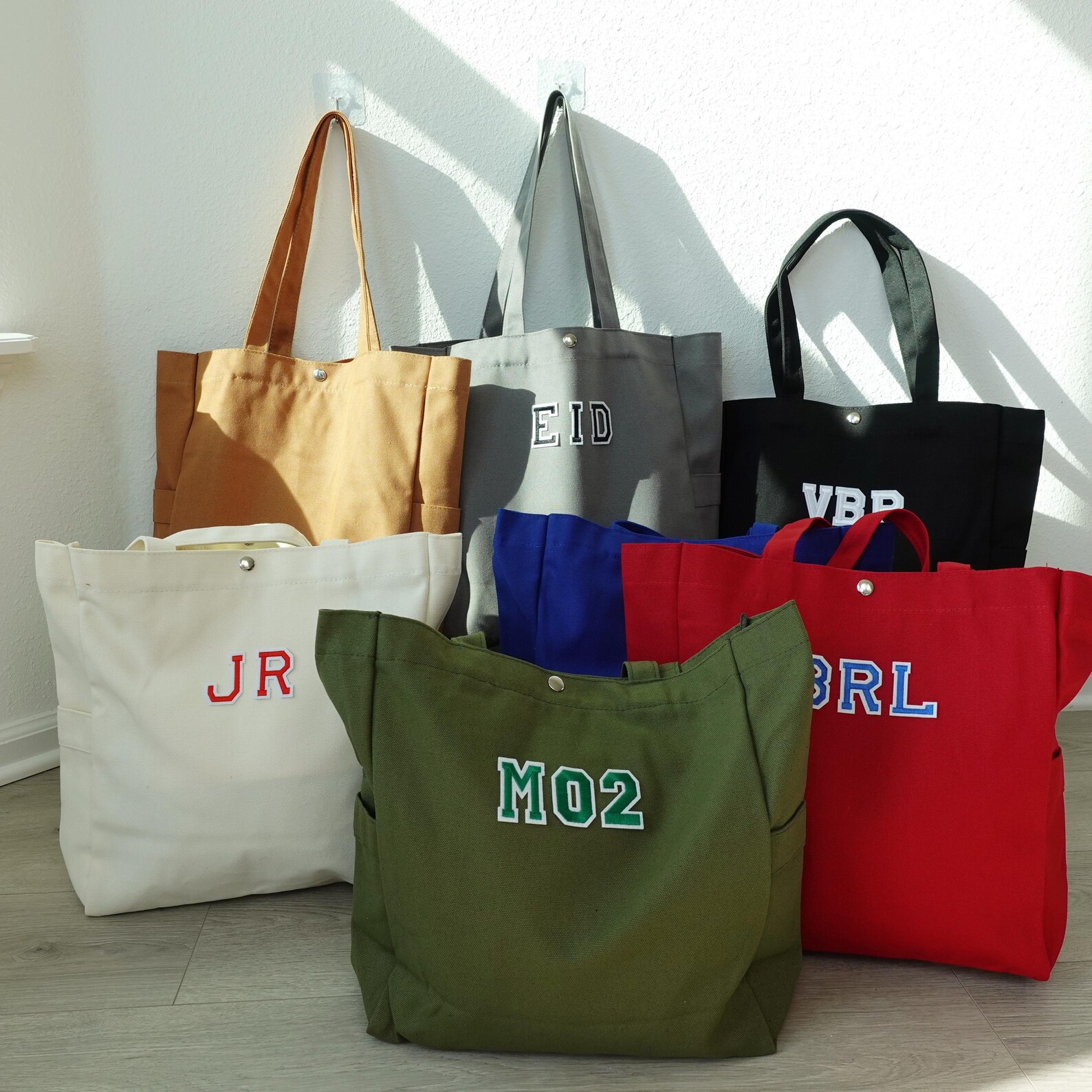
The market for reissue bags has seen a significant resurgence in recent years, reflecting a broader trend of nostalgia and the desire for sustainable fashion options. This phenomenon can be attributed to several key factors that influence consumer behavior and brand strategies.
One prominent trend is the rise of the archival revival bag, where luxury brands are revisiting and reimagining their classic designs. This approach not only appeals to established customers who appreciate the heritage of the brand but also attracts a younger audience seeking unique and timeless pieces. These bags often feature design elements that are true to the original, highlighting the craftsmanship and history behind each piece.
Another significant aspect of the market is the emergence of the reedition bag, which refers to the re-launch of iconic styles with modern updates. Brands are increasingly using premium materials in these reissued designs, enhancing their appeal through quality and durability. This shift toward using high-quality materials aligns with consumer expectations for longevity and sustainability in fashion, responding to a growing awareness of environmental impact.
Moreover, social media platforms and influencer marketing play a pivotal role in driving interest in reissue bags. As these bags often carry a story or nostalgia, they become highly shareable content on platforms like Instagram and TikTok. Influencers showcase how these bags can be styled, further enhancing their desirability among fashion-conscious consumers.
It is essential for brands to balance authenticity with modern consumer needs, ensuring that reissue offerings resonate with both legacy and contemporary values.
For those interested in exploring more about the impact of fashion trends, the Fashion Institute of Technology provides a wealth of information on evolving styles and market analyses.
Sustainability and Ethical Considerations
Sustainability and ethical considerations are increasingly influencing consumer choices in the fashion industry, particularly regarding luxury items such as the reissue bag. These bags, often designed as an archival revival bag, serve not only as a fashion statement but also as a reflection of a brand’s commitment to sustainable practices.
The reissue bag concept emphasizes the importance of reusing existing designs and materials, thereby reducing waste and minimizing the environmental impact commonly associated with new production processes. Brands that create a reedition bag are often focused on reviving classic styles while incorporating sustainable methods. This allows for a blend of nostalgia and modernity, appealing to both eco-conscious consumers and fashion enthusiasts alike.
One notable trend in this space is the introduction of the reedition bag with premium materials. These bags are crafted using high-quality, sustainable materials that ensure durability while also being environmentally friendly. For instance, materials such as recycled leather or organic cotton are often utilized to create a luxurious feel without compromising on ethical standards.
Moreover, the production of such bags can often involve fair labor practices, ensuring that artisans and workers are compensated fairly. Many brands now prioritize transparency in their supply chains, allowing consumers to make informed choices about their purchases.
It’s worth noting that the push towards sustainable fashion does not mean sacrificing style. The reissue bag and its variations, such as the archival revival bag, are designed to be both timeless and trendy, appealing to a wide range of fashion preferences.
For those interested in learning more about sustainable fashion practices, a comprehensive overview can be found in resources like Sustainable Fashion on Wikipedia. This highlights the broader implications of sustainability in the industry and the significance of ethically produced items, including the rising popularity of reissued bags.
Data Analysis
Comparison of Bag Types
| Bag Type | Key Features | Target Audience |
|---|---|---|
| Reissue Bag | Classic design, limited editions | Fashion enthusiasts |
| Archival Revival Bag | Heritage styles, durable materials | Collectors |
| Reedition Bag | Modern updates, original aesthetics | Trend followers |
| Reedition Bag with Premium Materials | Luxury finishes, high-quality craftsmanship | Luxury consumers |
Material Comparison in Reissue Bags
| Material Type | Durability | Price Range |
|---|---|---|
| Canvas | Moderate | $100 – $300 |
| Leather | High | $300 – $700 |
| Nylon | Low | $50 – $150 |
| Premium Leather | Very High | $700 – $1500 |
Quick Answers As Expert Tips
What are the features of an archival revival bag?
Quick Answer: Archival revival bags typically feature classic designs, high-quality materials, and meticulous craftsmanship.
Archival revival bags are characterized by their homage to iconic styles from the past, often replicating the original designs with a focus on authenticity. These bags usually incorporate premium materials, such as luxury leathers or durable textiles, ensuring that they not only look good but also stand the test of time. Features like unique hardware, signature logos, and distinctive stitching patterns often mark these bags, enhancing their status as collector’s items.
Moreover, archival revival bags often include modern updates to improve functionality while maintaining the essence of the original design. This might include interior organization features, adjustable straps, or removable elements that offer versatility. The limited production runs associated with archival items further elevate their desirability, making them sought-after pieces for fashion aficionados who appreciate both history and craftsmanship.
How can I identify a genuine reedition bag?
Quick Answer: To identify a genuine reedition bag, look for authenticity labels, quality craftsmanship, and specific design details that reflect the original.
Identifying a genuine reedition bag involves examining several key elements, starting with the authenticity label or tag typically attached to the bag. Authentic reedition bags often come with a serial number or hologram that confirms their legitimacy. Additionally, reputable retailers will provide documentation of authenticity, so it’s wise to purchase from trusted sources.
Next, scrutinize the craftsmanship of the bag. Genuine reissue bags are meticulously constructed with high-quality materials and attention to detail, including stitching, zippers, and hardware. Compare the bag with images of the original design to ensure that the proportions, logos, and other distinctive features align closely.
If possible, seek out reviews or testimonials from other buyers to gain insights into the authenticity and quality of the bag.
What are the benefits of reedition bags made with premium materials?
Quick Answer: Reedition bags made with premium materials offer durability, luxurious aesthetics, and a timeless appeal that enhances their value.
One of the primary benefits of reedition bags crafted from premium materials is their enhanced durability. Luxury materials, such as high-grade leather or durable canvas, are designed to withstand wear and tear, ensuring that these bags can be enjoyed for years without significant degradation. This longevity makes them a more sustainable choice compared to fast-fashion alternatives, appealing to consumers who value quality over quantity.
Additionally, premium materials contribute to the luxurious aesthetic of reedition bags, elevating their overall appearance and making them standout accessories. The tactile experience of high-quality materials often adds to the enjoyment of ownership. Furthermore, these bags typically retain their value better than those made from lower-quality materials, making them a sound investment for fashion enthusiasts and collectors alike.
Are reissue bags worth the investment?
Quick Answer: Yes, reissue bags are often worth the investment due to their timeless designs, quality craftsmanship, and potential for value appreciation.
Investing in reissue bags can be a wise decision for several reasons. Firstly, these bags are typically designed with a focus on timelessness, allowing them to remain stylish across seasons and trends. Their classic appeal makes them versatile pieces that can complement various outfits, enhancing their wearability.
Moreover, reissue bags often feature high-quality craftsmanship and materials, which contribute to their longevity. As fashion cycles continue to evolve, bags that are well-made from premium materials tend to retain or even appreciate in value over time. Collectors often seek out these bags for their historical significance and rarity, particularly if they are part of a limited run.
Thus, owning a reissue bag not only provides immediate aesthetic satisfaction but may also serve as a valuable asset in the long run.
Where can I buy reissue bags?

Quick Answer: Reissue bags can be purchased from luxury department stores, brand boutiques, and authorized online retailers.
When looking to purchase reissue bags, it is essential to choose reputable sources to ensure authenticity. Luxury department stores like Neiman Marcus or Saks Fifth Avenue often carry a selection of reissue bags, alongside flagship boutiques for brands such as Chanel, Louis Vuitton, and others. These physical locations provide the advantage of inspecting the bag in person and receiving expert guidance from sales associates.
For online purchases, authorized websites and trusted luxury e-commerce platforms like Farfetch, Net-a-Porter, and the brands’ official online stores are reliable options. These platforms typically offer a wide range of styles and sizes, along with detailed descriptions and authenticity guarantees. Additionally, second-hand marketplaces like The RealReal or Vestiaire Collective can also be good places to find reissue bags, provided that they authenticate items before sale.
Frequently Asked Questions
What is a reissue bag?
A reissue bag is a modern reproduction of a classic handbag design, often incorporating updated materials and craftsmanship. These bags celebrate the original design while appealing to contemporary tastes.
What is the difference between a reissue bag and an archival revival bag?
A reissue bag focuses on replicating a specific design from the past, while an archival revival bag may take inspiration from multiple historical designs. Both aim to evoke nostalgia while offering fresh appeal.
Are reedition bags made with premium materials?
Yes, many reedition bags are crafted using premium materials to enhance durability and aesthetic appeal. This attention to quality often distinguishes them from standard reproductions.
How can I identify a genuine reissue bag?
Genuine reissue bags typically feature specific design elements and branding consistent with the original. Checking for authenticity tags and purchasing from reputable retailers can help ensure you are getting an authentic product.
What styles are popular in reissue and reedition bags?
Popular styles in reissue and reedition bags often include iconic silhouettes from well-known brands, such as classic totes and crossbody designs. These bags blend timeless elegance with modern functionality.
Key Takeaways
- Reissue bags are a revival of classic designs that appeal to nostalgia.
- Archival revival bags often feature updated materials while preserving original aesthetics.
- Reedition bags provide a fresh take on iconic styles, making them relevant for today’s consumers.
- Choosing a reedition bag with premium materials ensures durability and luxury.
- The popularity of reissue bags reflects a growing trend towards sustainable fashion practices.
- Reissue bags can serve as investment pieces due to their timeless appeal and craftsmanship.
- Consumers are increasingly valuing the story and heritage behind reissue and archival revival bags.
Further Reading
Sources
Conclusion
The reissue bag phenomenon represents a significant trend within the fashion industry, merging nostalgia with contemporary design. These bags, often referred to as archival revival bags, draw inspiration from previous collections, reintroducing iconic styles that resonate with both long-time fans and new customers. The meticulous attention to detail in these designs underscores the commitment of brands to preserve their heritage while adapting to modern tastes.
One of the notable aspects of the reissue bag is its ability to blend traditional craftsmanship with innovation. Many high-end brands have begun to produce reedition bags, which feature updated materials and construction techniques. This evolution not only enhances durability but also caters to the preferences of a discerning clientele that seeks both style and functionality.
For instance, a reedition bag with premium materials may utilize advanced fabrics that provide water resistance or additional comfort, ensuring these designs are not just visually appealing but also practical for everyday use.
As consumers increasingly value sustainability and longevity in fashion, the appeal of reissue bags continues to grow. By reimagining classic styles, brands are promoting a circular economy, encouraging customers to invest in timeless pieces rather than fast fashion. This shift is evident in the popularity of vintage-inspired accessories, which often highlight the craftsmanship and quality associated with earlier eras of fashion.
Furthermore, the success of these bags can be attributed to their ability to evoke personal memories and cultural significance. Fashion enthusiasts often find joy in the stories behind archival revival bags, as they serve as tangible connections to the past. This emotional resonance can enhance the desirability of a particular style, making it more than just a fashion statement.
In summary, the reissue bag trend illustrates a harmonious blend of heritage and modernity, offering consumers unique pieces that reflect both history and innovation. For more on the evolution of fashion trends, you can refer to Wikipedia’s Fashion History.
